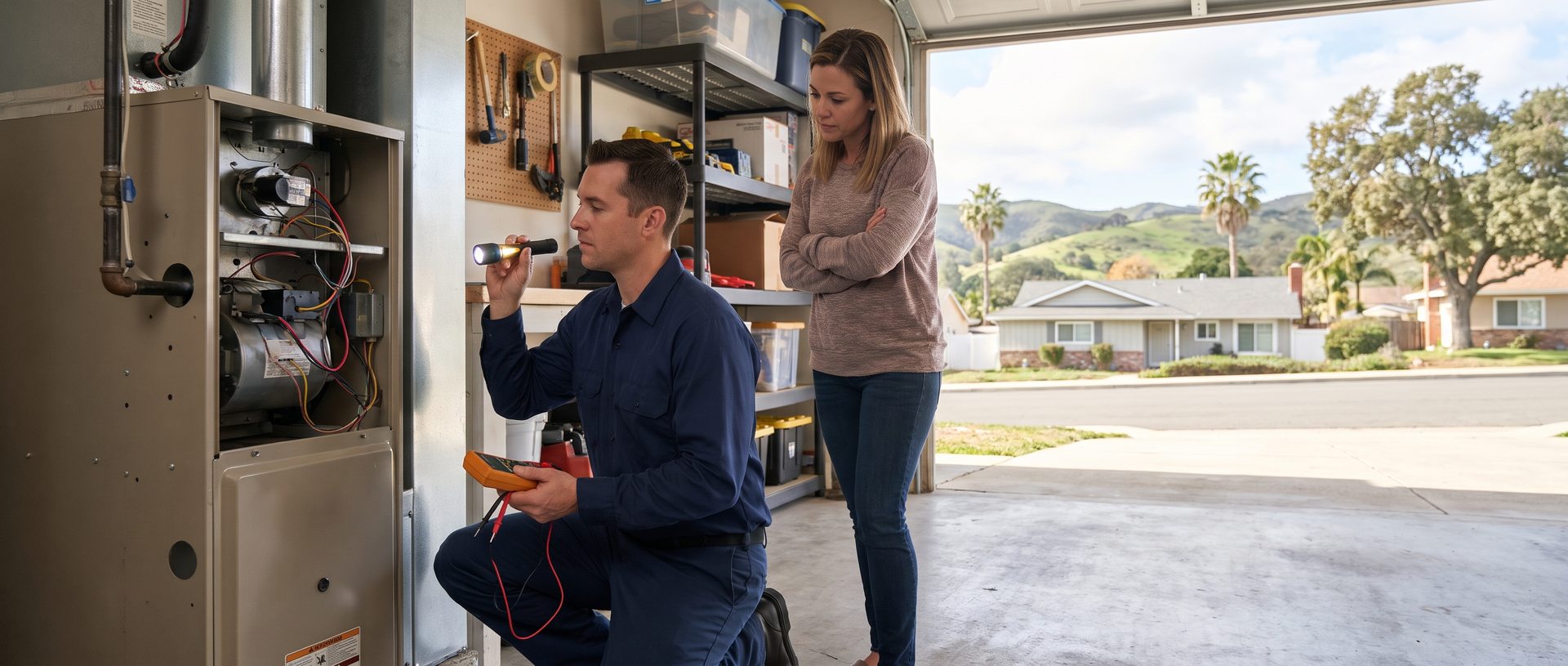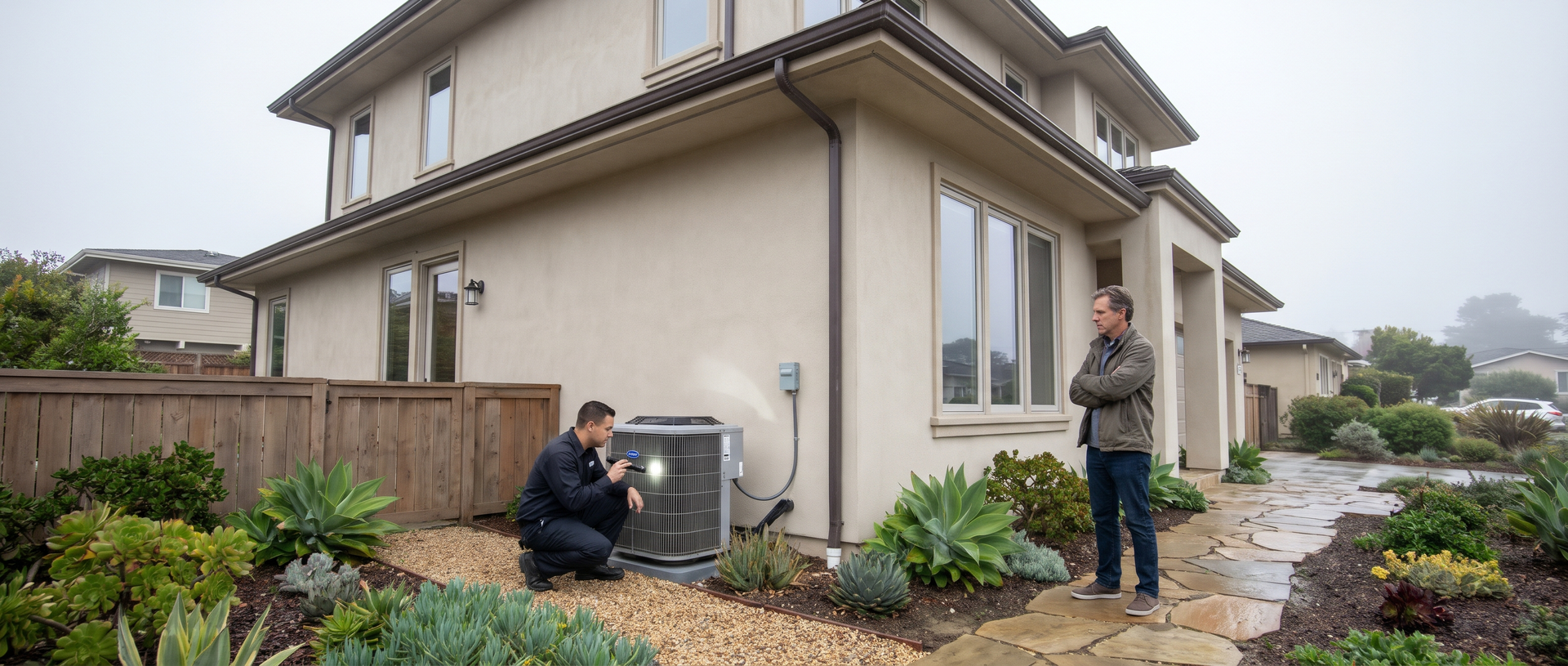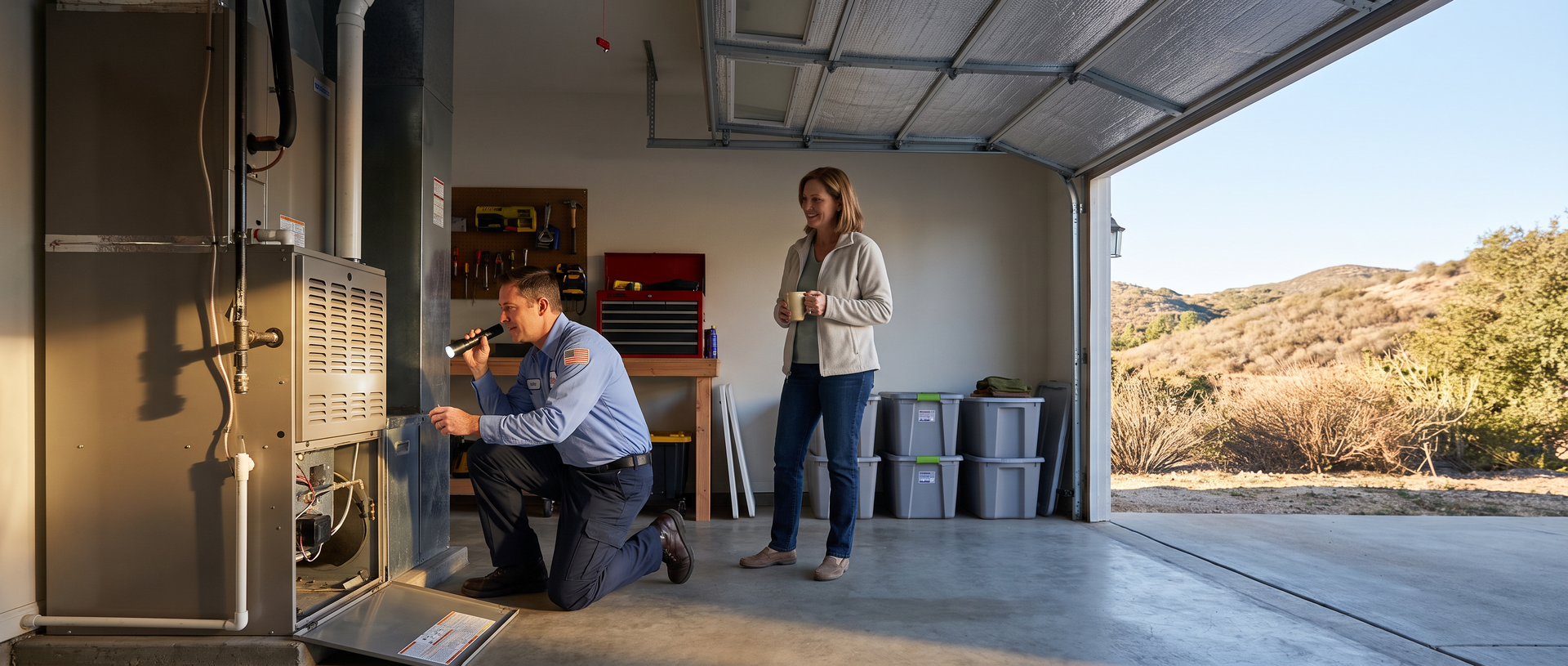

If you're searching for Lakeside heating repair because your heater keeps clicking on and off all evening, you've probably noticed the house never feels quite settled. Rooms warm up, cool down, and warm up again.
Frequent cycling, often called short cycling, is more than an annoyance. This guide explains the most common contributors, what you can safely check yourself, and when it's time to bring in a professional.
Key takeaway: A healthy heater tends to run in longer, steady stretches, like slow, even breathing. Short, rapid cycles are a sign something in the system deserves a closer look.
Three Suspects Behind a Heater That Won't Settle Down
Short cycling usually traces back to one of three areas. Thinking of them as suspects makes the problem easier to talk through with a technician.
The Messenger: Your Thermostat
You might be someone whose thermostat sits near a sunny window, a kitchen, or a supply vent. A thermostat reading a warm spot can tell the heater to stop too soon.
The Airway: Filters, Vents, and Ducts
You might notice weak airflow at certain registers. Restricted airflow can cause the system to overheat and shut down early as a safety response.
The Engine: The Equipment Itself
You might have a system that was replaced or added during a remodel. Equipment that isn't well matched to the home, or components showing wear, can lead to short runs.
This framework helps homeowners in Lakeside, Escondido, and other inland communities describe what they're seeing. Our heating and cooling services cover furnaces, heat pumps, and ductless systems.
Matching What You Notice to a Smart Next Step
The clues that come with the cycling often point toward the right next move. Use this table as a guide, not a diagnosis.
| If You Notice... | Consider This | Why It Fits |
|---|---|---|
| Short cycles plus one room much warmer than others | Thermostat location and duct balance | A thermostat in a warm spot can end heating cycles early |
| Short cycles with weak airflow at vents | Filter and vent check, then an airflow inspection | Restricted airflow can trigger overheating protection |
| Cycling that started after a remodel or new equipment | Ask a technician to review sizing and setup | Mismatched equipment or settings can cause short runs |
| Cycling with odd noises, smells, or error lights | Stop troubleshooting and schedule service | These signs call for professional inspection |
The goal is steady, even warmth you don't have to think about. As a local, family HVAC business, we focus on explaining what we find in plain language.
What Frequent Cycling Feels Like in an Inland Home
Lakeside sits in East County's inland valleys, where mornings and evenings can feel noticeably cooler than the coast. That's exactly when a cycling heater becomes hard to ignore.
Picture getting ready before the drive down SR-67. The heater kicks on, runs briefly, shuts off, and starts again a few minutes later. The hallway feels warm, but the back bedroom stays chilly.
Many homes in the area also have additions, converted spaces, or older ductwork that wasn't designed for today's layout. Short cycles aren't just uncomfortable. Frequent starts can add wear to components over time.
These checks are safe for homeowners to try first:
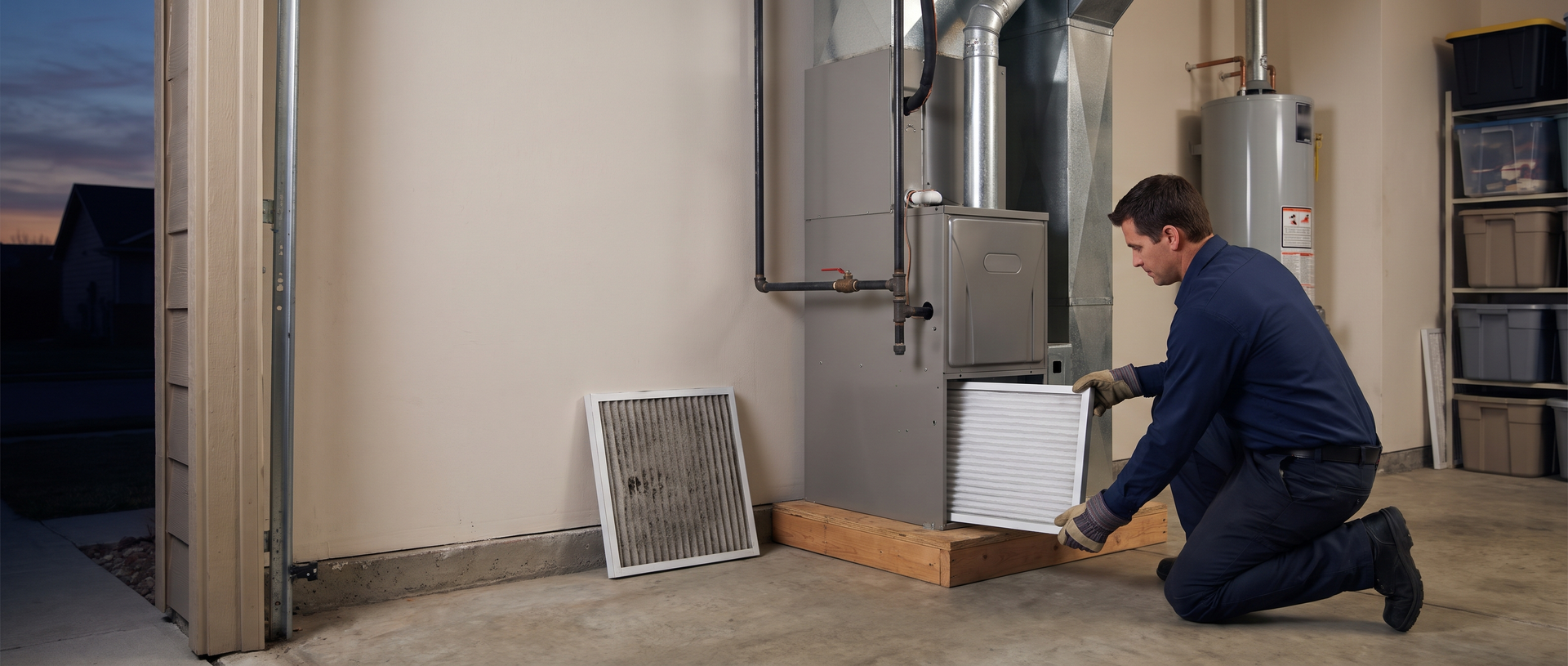
- Replace the air filter if it looks dirty, especially after dry, windy weather.
- Open closed registers and move furniture or rugs away from vents and return grilles.
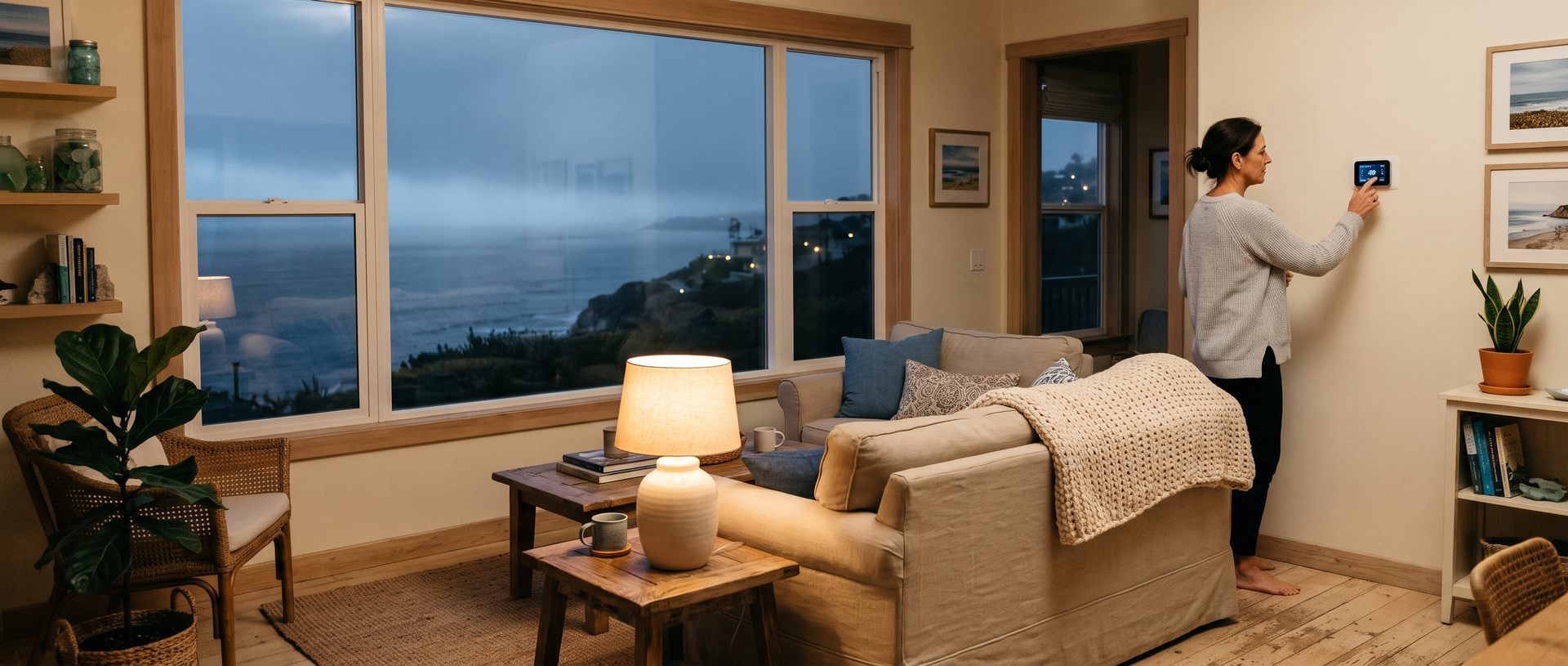
- Look at where your thermostat sits. Note whether sunlight, lamps, or nearby vents might affect its reading.
- Replace thermostat batteries if it uses them, and confirm it's set to the correct heating mode.
- Keep a simple log of how long the heater runs and how often it restarts.
Is a filter change going to solve every case? No. But it's quick, inexpensive, and rules out one common contributor before a visit.
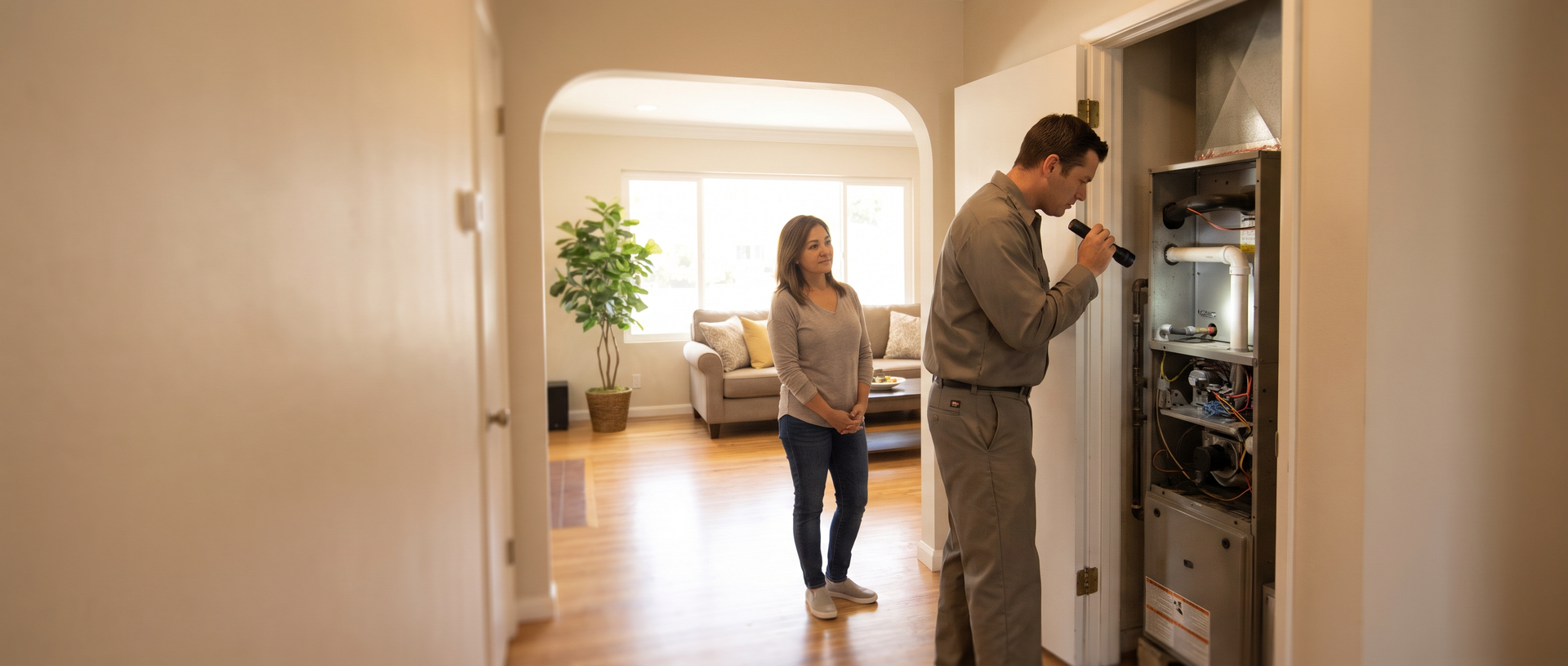
When to call a professional: If cycling continues after these checks, or if you notice burning smells, unusual noises, or repeated error lights, turn the system off and schedule service. Gas, electrical, refrigerant, and combustion components should only be inspected by a qualified HVAC technician. If you smell gas, leave the home and contact your gas utility or 911 from a safe location.
Repair Now, Plan Ahead
Short cycling is often fixable, and finding the cause early gives you more options. Here's how the timeline usually unfolds.
Right away: a technician inspects the thermostat, airflow, and equipment to pinpoint the cause. This season: regular filter changes and maintenance help keep cycles steady. Down the road: if sizing, ductwork, or system age is part of the issue, you'll have the information to weigh repair against replacement calmly.
Thinking about a smart thermostat? Ask first whether it's compatible with your furnace or heat pump. When you're ready, you can book a heating repair visit online.
This helps homeowners who want steady comfort and clear answers, not a guessing game.
Common Questions About Lakeside Heating Repair
What causes a heater to cycle on and off too often in Lakeside?
Common contributors include a dirty filter, blocked vents, thermostat placement or settings, airflow restrictions, and equipment that isn't well matched to the home. Because several issues produce similar symptoms, a Lakeside heating repair inspection is the reliable way to pinpoint the actual cause.
How often is too often for a Lakeside heater to cycle?
There isn't one right number, because cycling depends on outdoor temperature, home size, insulation, and equipment. The warning sign is a pattern of very short runs followed by frequent restarts. If that sounds familiar in your Lakeside home, a technician can evaluate it.
Can my thermostat make my Lakeside heater short cycle?
Yes, a thermostat can contribute to short cycling if it sits near a heat source, gets direct sun, is set up incorrectly, or is failing. Adjusting its settings may help, but a technician should confirm the thermostat is compatible with your heating system.
Is short cycling bad for my heater in Lakeside?
Frequent short cycling can add wear to components, create uneven comfort, and make operation less efficient than steady running. It can also signal an underlying issue such as restricted airflow. Scheduling heating repair early helps you address the cause before it becomes a bigger problem.
Steady Heat Starts With the Right Lakeside Heating Repair
A heater that cycles too often is telling you something, and the fix starts with listening to it. If the simple checks don't settle things down, then a professional inspection is the clearest path forward. Steady runs mean even rooms, quieter evenings, and less worry about wear.
Learn more on the Sunline Heating & Air homepage, or get in touch with our team about your system.
Let's Get Your Heat Running Steady
Talk with Sunline Heating & Air about dependable heating repair in Lakeside and throughout San Diego County.