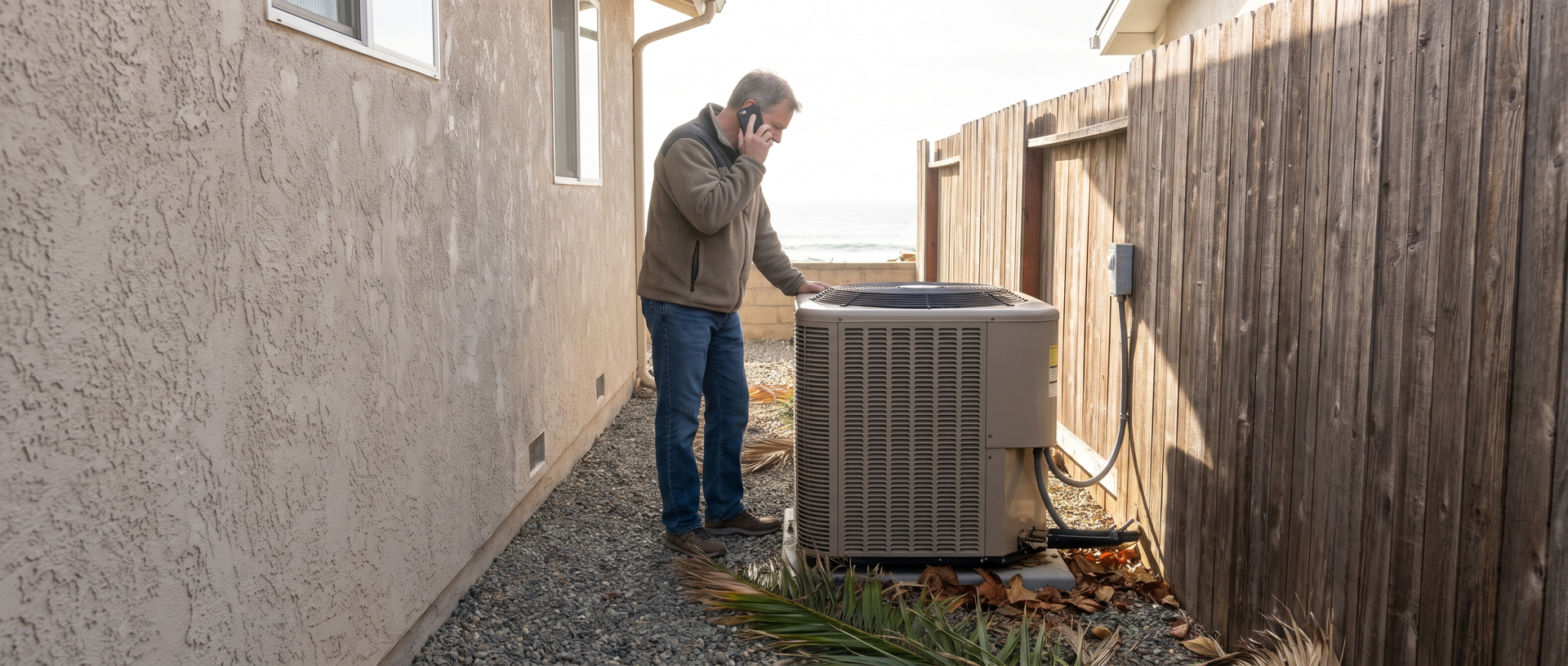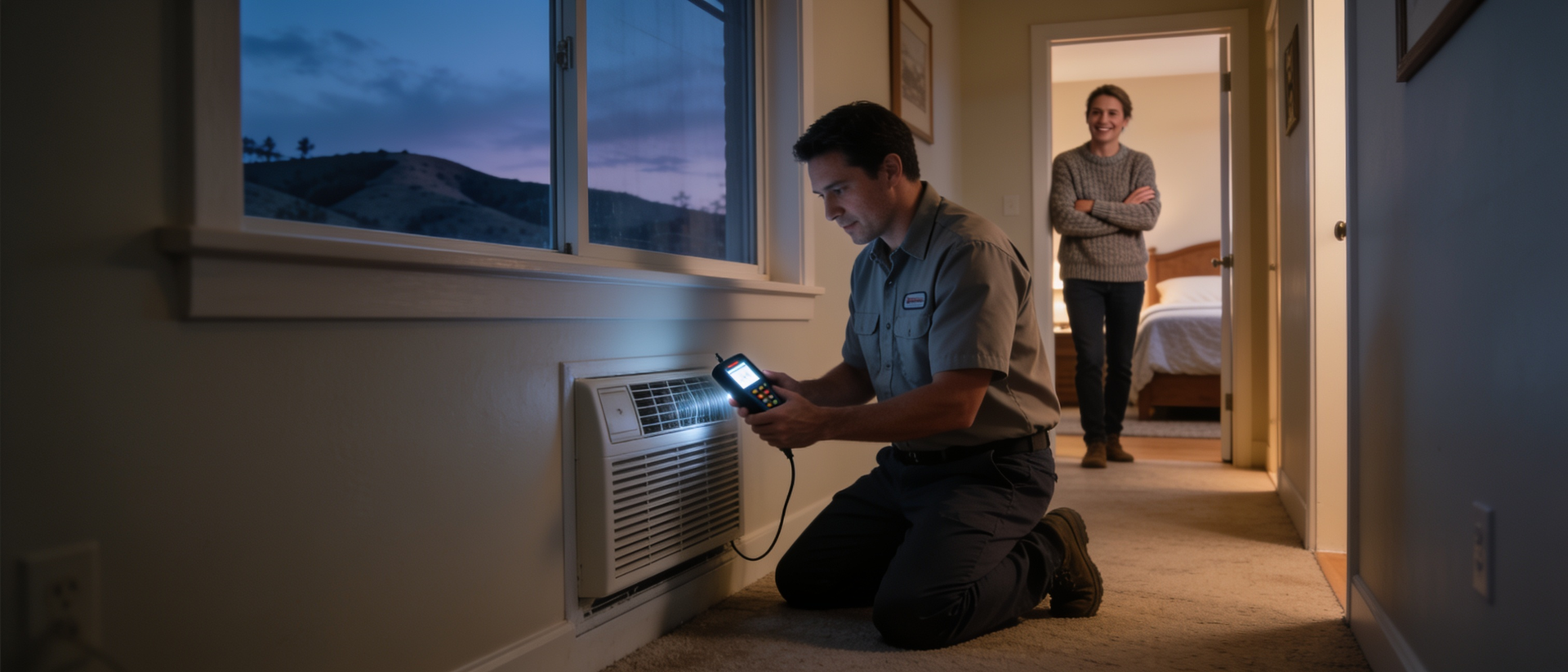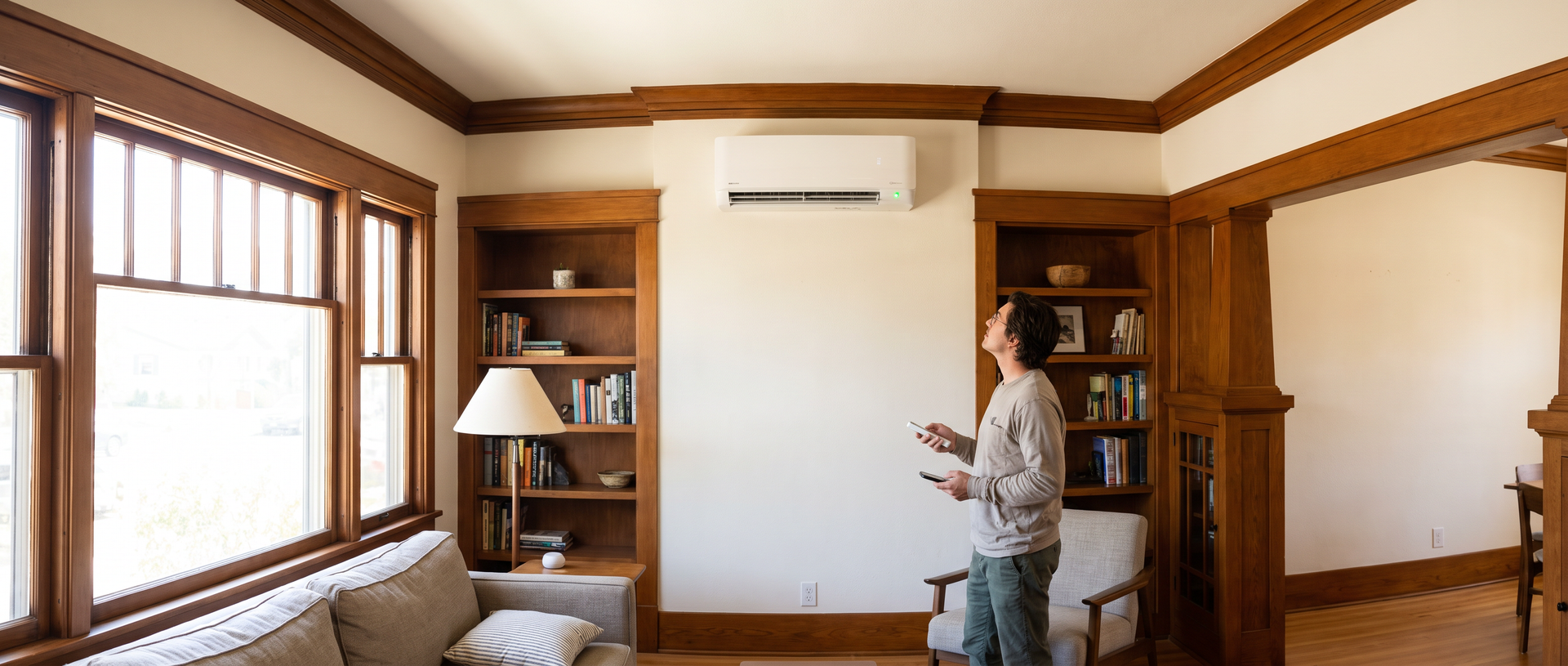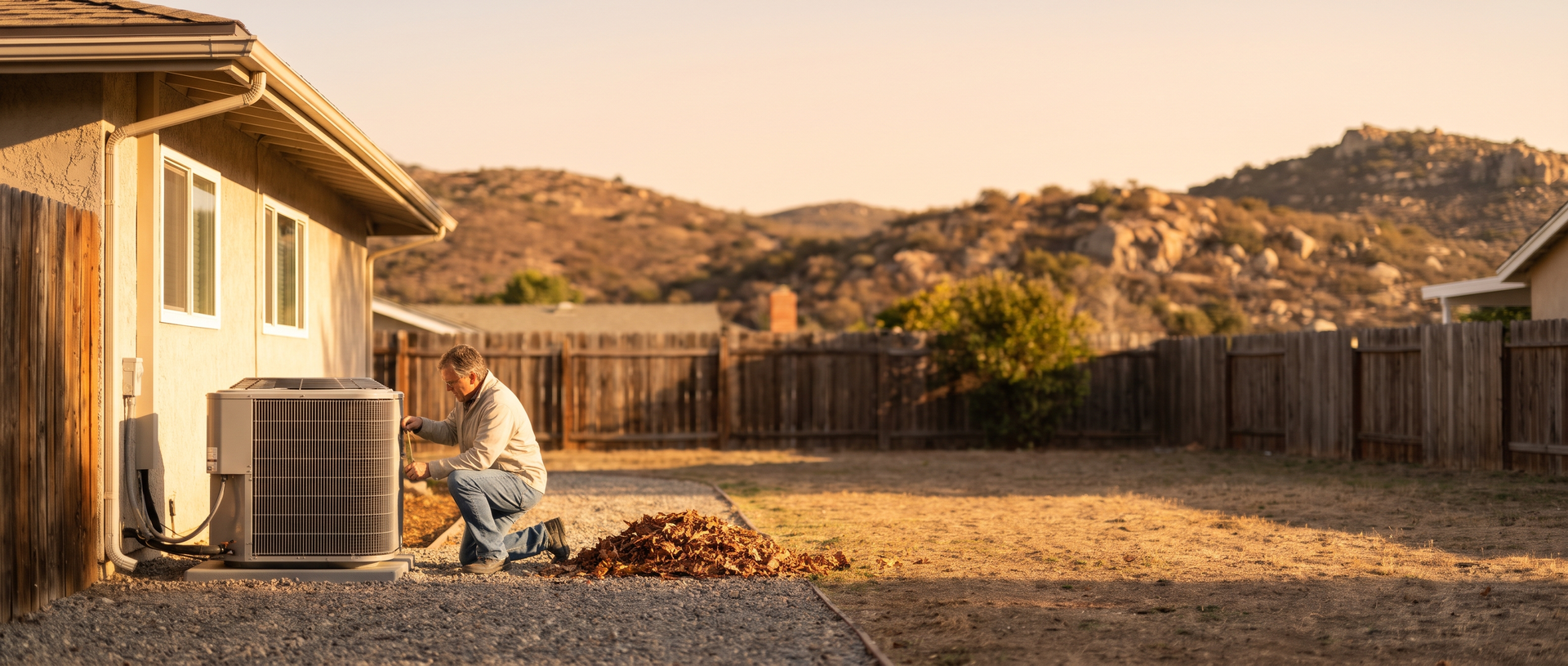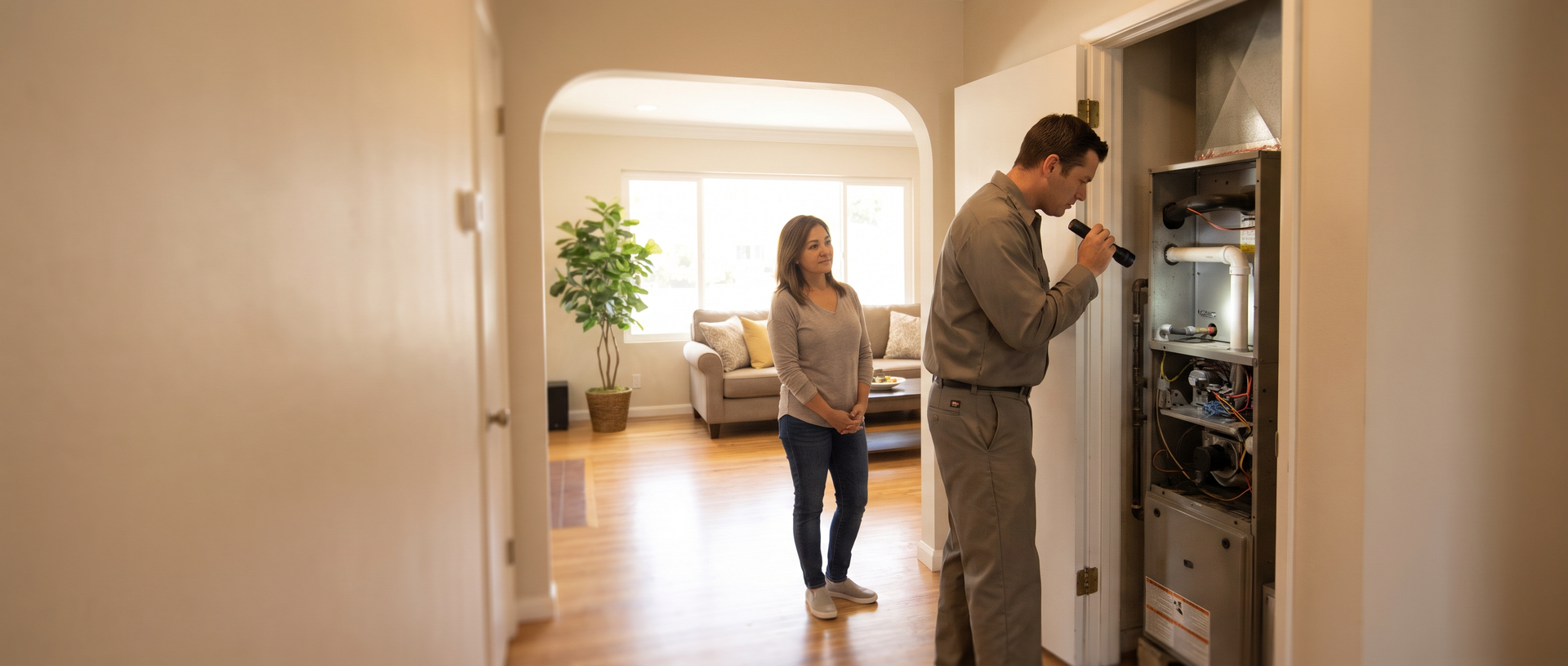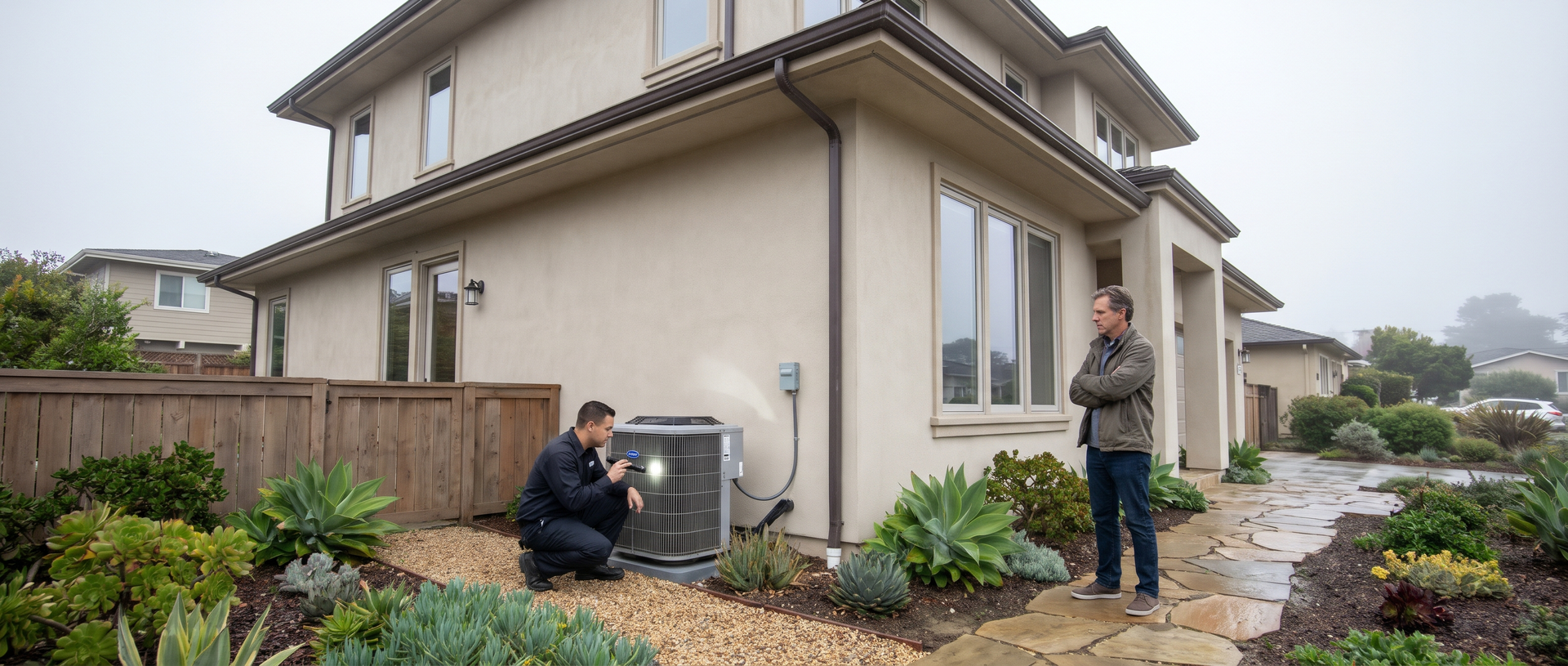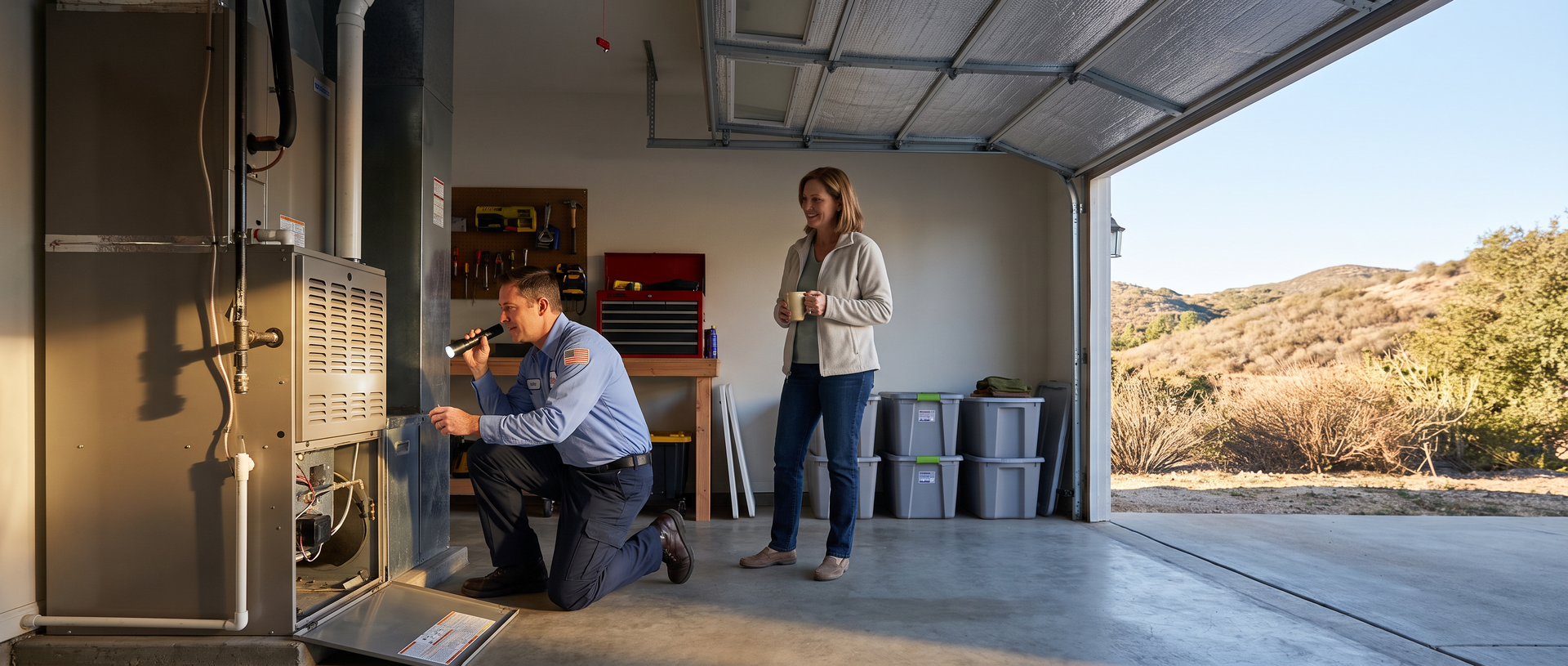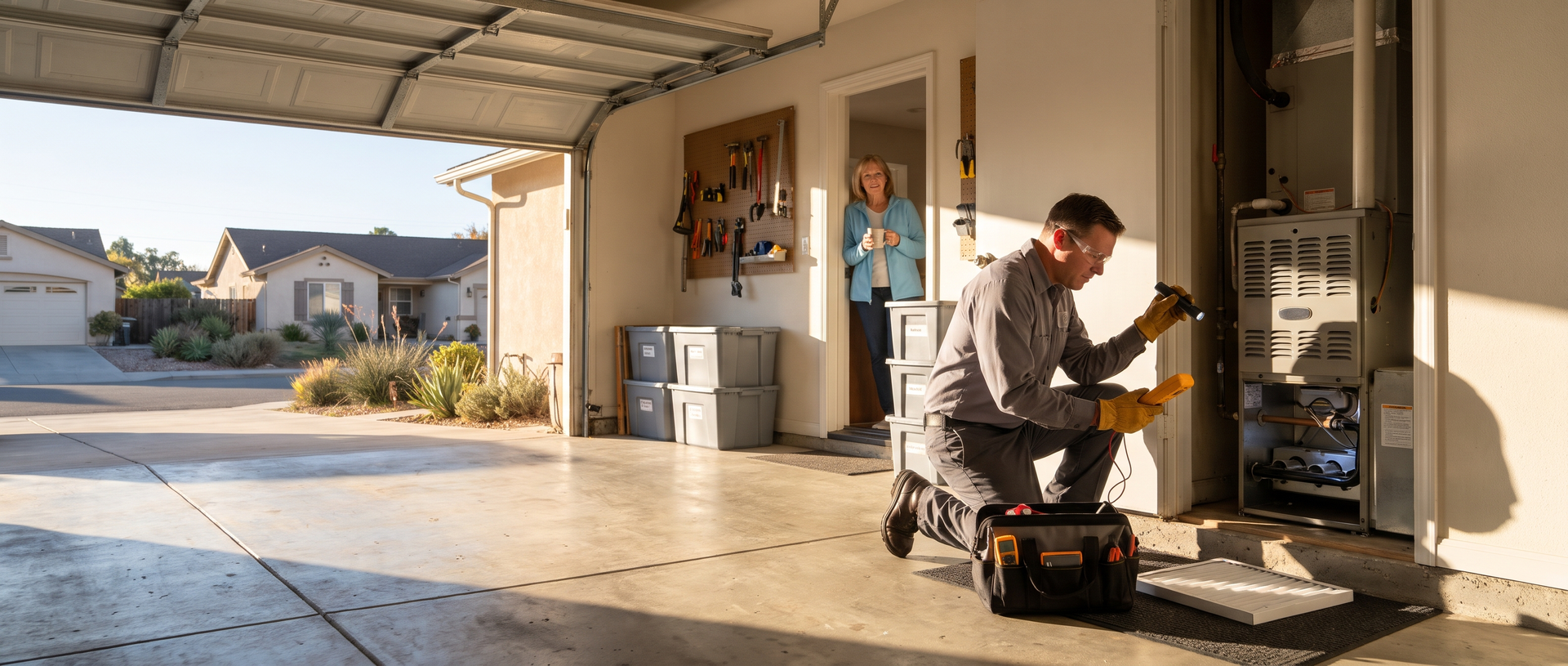

A heating system inspection in Vista answers a simple question before winter: will your heat run safely and reliably when you need it? Many North County homeowners only think about their furnace or heat pump on the first cold morning.
Vista sits inland from Oceanside and Carlsbad, so winter nights often run cooler than the coast. Knowing what a technician actually checks makes it easier to decide when to book and what to ask.
Three Reasons Vista Homeowners Book an Inspection
Picture your heating system like a car before a long drive up the 78. A quick look under the hood catches small issues while they are still small. Most people book for one of three reasons.
- The safety-first homeowner. You might be someone with a gas furnace and young kids or older parents at home. Peace of mind about safe operation comes first.
- The comfort tracker. You noticed last winter that some rooms never got warm. You want to know why.
- The planner. Your system is getting older, and you want honest information before deciding on repair or replacement.
Homeowners in nearby San Marcos and Escondido often share the same goals. You can explore the heating and cooling services we provide across San Diego County.
This matters for homeowners who want facts before making a decision.
What a Technician Can Evaluate on Your System
The exact checklist depends on whether you have a gas furnace, a heat pump, or a ductless system. Here is how inspection goals usually line up with what gets evaluated.
| Your Main Concern | What Can Be Evaluated | Why It Helps |
|---|---|---|
| Safe operation | Burners, ignition, venting, safety controls | Confirms the system operates as designed |
| Uneven comfort | Airflow, ductwork, thermostat, filters | Pinpoints why rooms feel different |
| Heat pump performance | Heating mode, defrost operation, outdoor unit | Helps it handle cooler inland nights |
| System age | Overall condition and wear on parts | Supports a clear repair or replace decision |
A typical inspection may include:
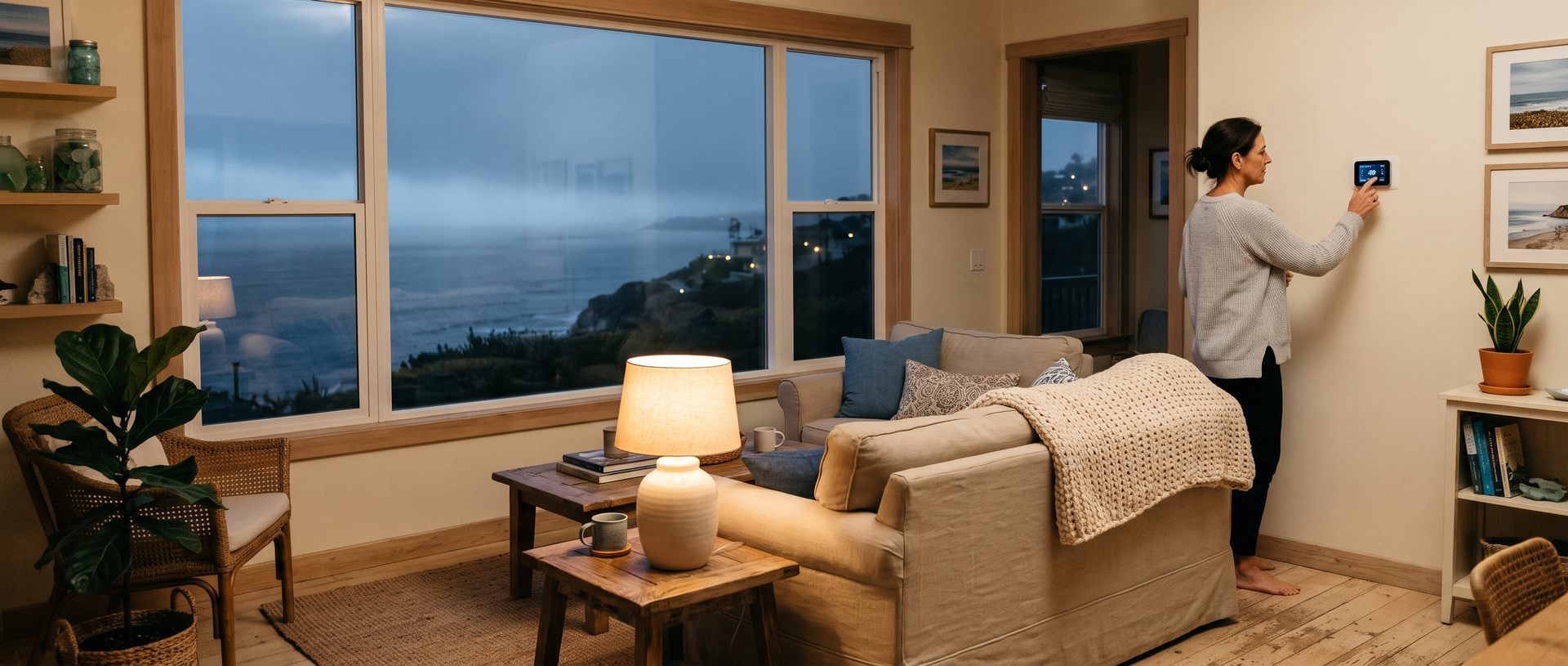
- Thermostat check. Confirming it calls for heat correctly and matches your equipment.
- Electrical connections. Looking for loose or worn wiring and testing key components.
- Combustion and venting review. For gas systems, checking burners, ignition, and the flue path.
- Blower and airflow. Making sure air moves freely through the system.
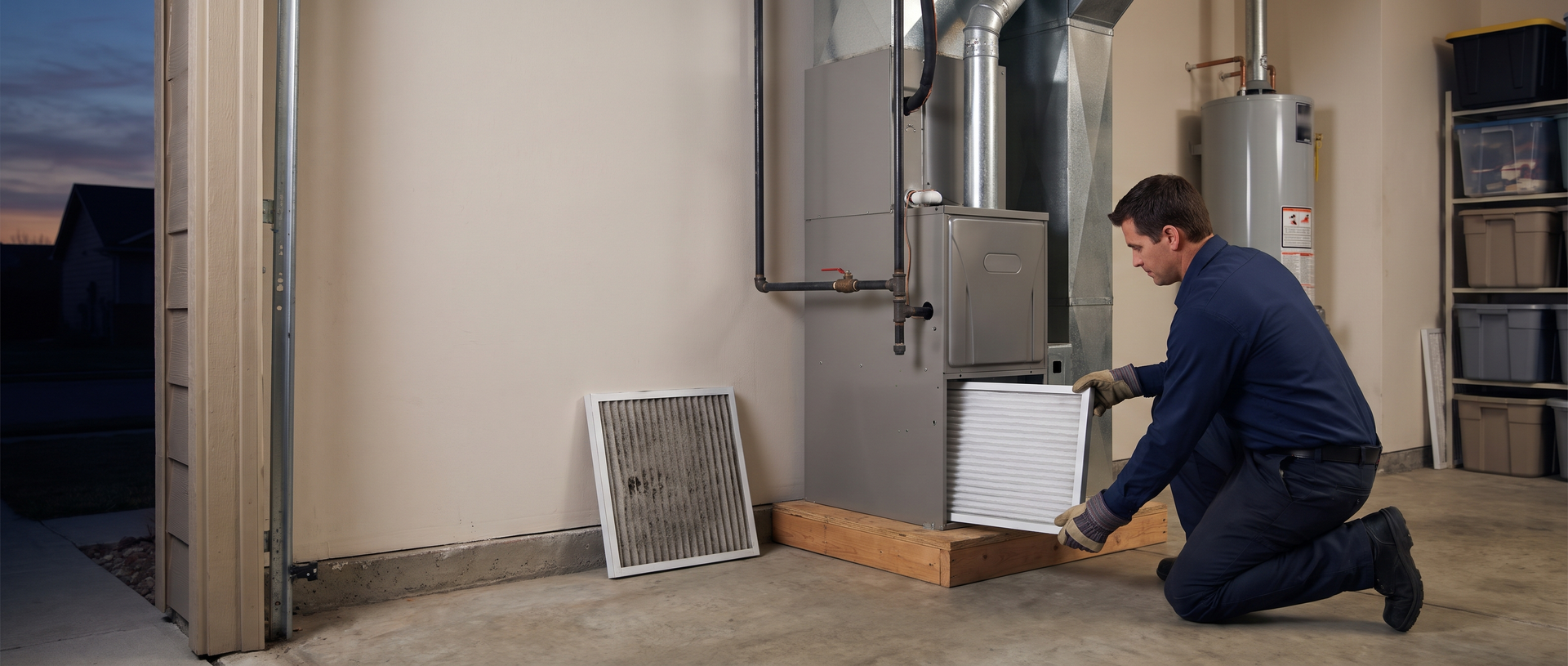
- Filter and ductwork. Spotting restrictions, visible leaks, or disconnected sections.
Want to know the people behind the work? Read more about Sunline Heating & Air.
How Vista's Climate Shapes Your Heating Needs
Vista's inland valleys and hillside neighborhoods can see chilly mornings even after sunny afternoons. Your system might sit idle for weeks, then run hard during a cold snap.
Equipment that sits unused for months is more likely to reveal small problems on its first heavy-use day. That is one reason fall inspections are so common.
Fall winds can also push dust into filters and outdoor units. Homes near open hillsides or agricultural land may notice this more.
Key takeaway: An inspection before the first cold snap gives you time to address issues on your schedule, not in the middle of a chilly night.
What Happens After the Inspection
Right after the visit, you should understand your system's current condition in plain language. No jargon, no pressure.
A season later, the benefit shows up as dependable heat and fewer surprises. Over several years, regular inspections help you plan for repairs or replacement instead of reacting to a breakdown.
Safety note: Gas furnaces and other combustion appliances should only be serviced by a qualified professional. Keep working carbon monoxide alarms in your home, and if you ever smell gas, leave the house and contact your gas utility or 911.
Have a question before booking? Contact our team and tell us what type of system you have.
Common Questions About a Heating System Inspection in Vista
When is the best time for a heating system inspection in Vista?
Fall is ideal for a heating system inspection in Vista, before the coldest inland nights arrive. Booking in October or November gives you time to schedule any needed repairs calmly. Waiting until the first cold snap can mean scrambling when your heat is suddenly needed.
Does a heat pump need a heating inspection too?
Yes, heat pumps benefit from inspection before winter because they switch from cooling to heating mode. A technician can check heating operation, defrost function, the outdoor unit, and airflow. That helps Vista homes with heat pumps stay comfortable during cooler North County mornings.
Can a heating inspection find carbon monoxide risks?
A technician can evaluate venting, burners, and combustion-related components that affect safe operation of gas equipment. That review supports safety, but it does not replace working carbon monoxide alarms. Every San Diego County home with gas appliances should keep CO alarms installed and tested.
What should I do to prepare for a heating system inspection in Vista?
Clear a path to your furnace, air handler, and outdoor unit so the technician can work easily. Note any odd sounds, smells, or rooms that stay cold. Having your thermostat accessible and knowing your system's approximate age also helps make the visit more productive.
Head Into Winter Knowing Where You Stand
A heating system inspection in Vista turns uncertainty into a clear picture. If safety matters most, it confirms your equipment is operating as designed. If comfort or age is the worry, it gives you facts to plan with.
Either way, you get to enjoy cooler North County evenings with real peace of mind. Visit the Sunline Heating & Air homepage for more, or book your heating inspection online.
Get Ready for Cooler North County Nights
Talk with Sunline Heating & Air about a pre-winter heating inspection for your Vista home or business.