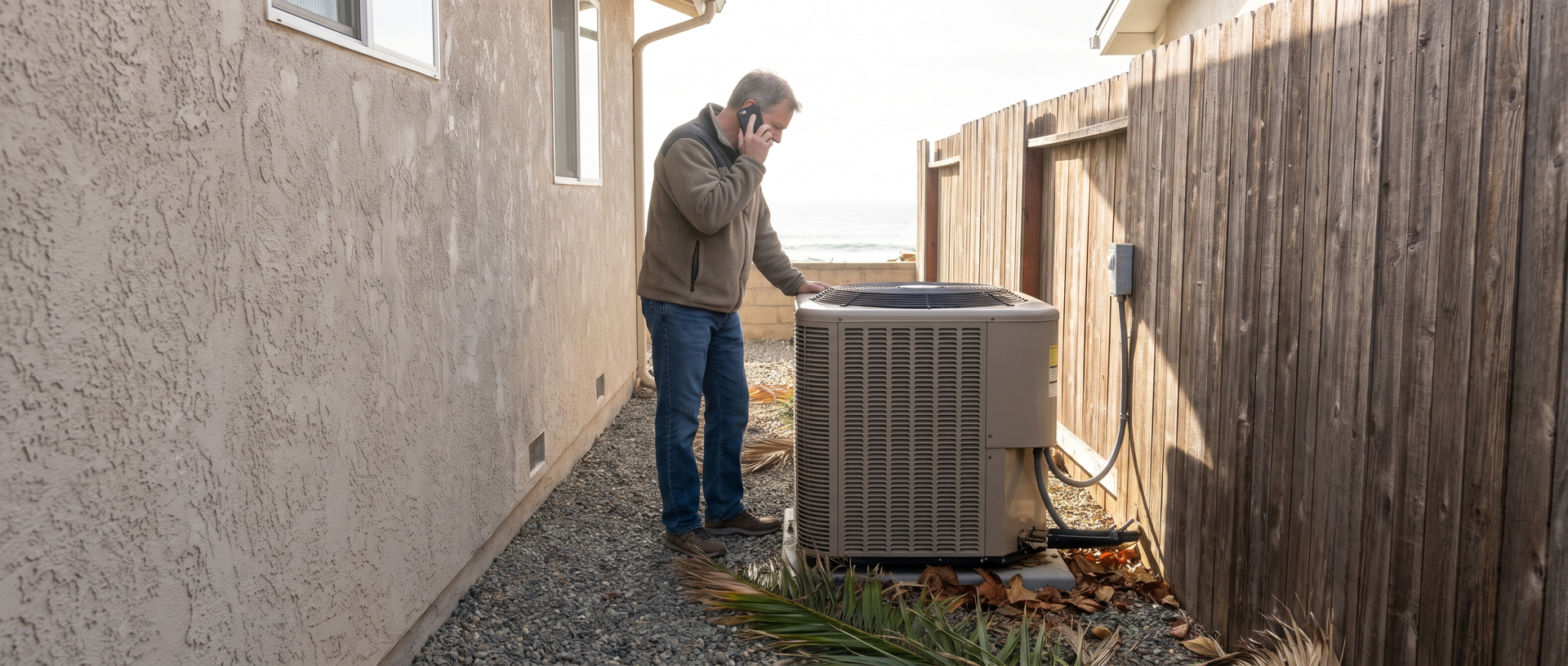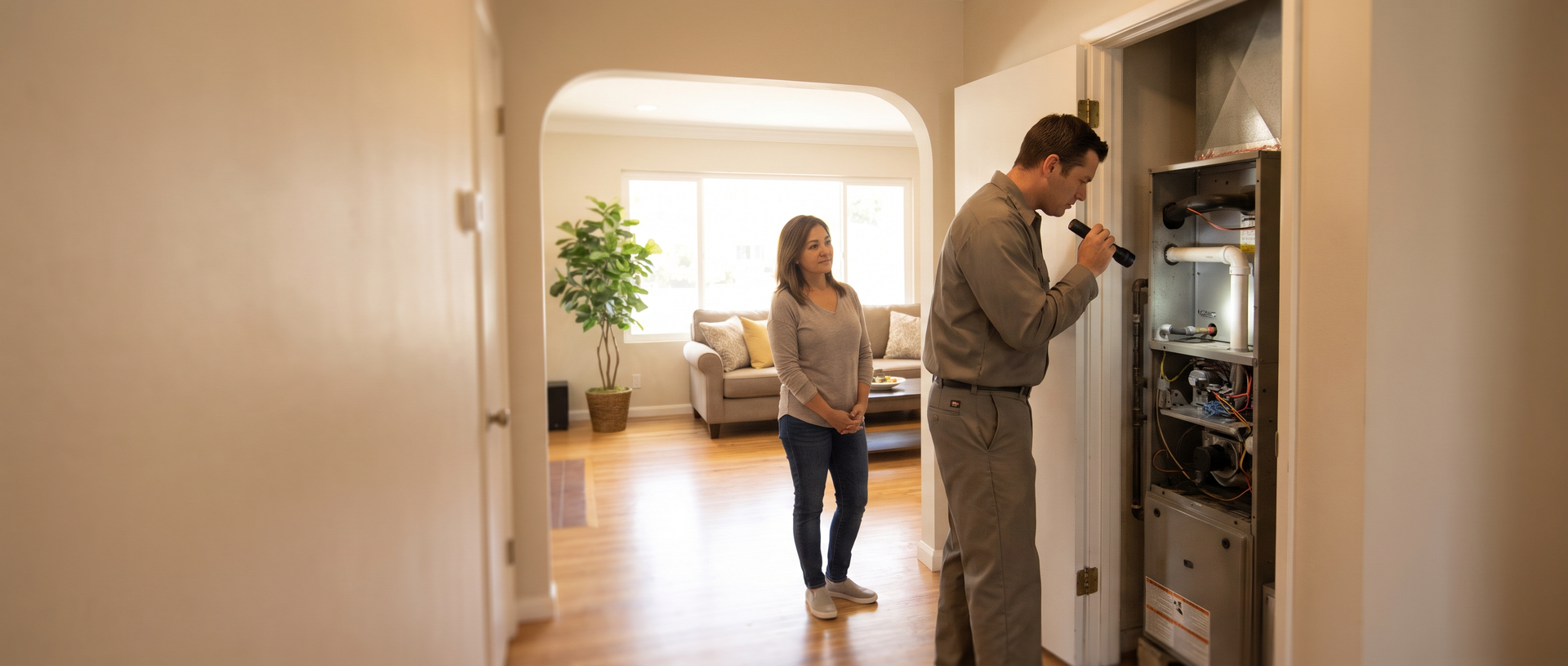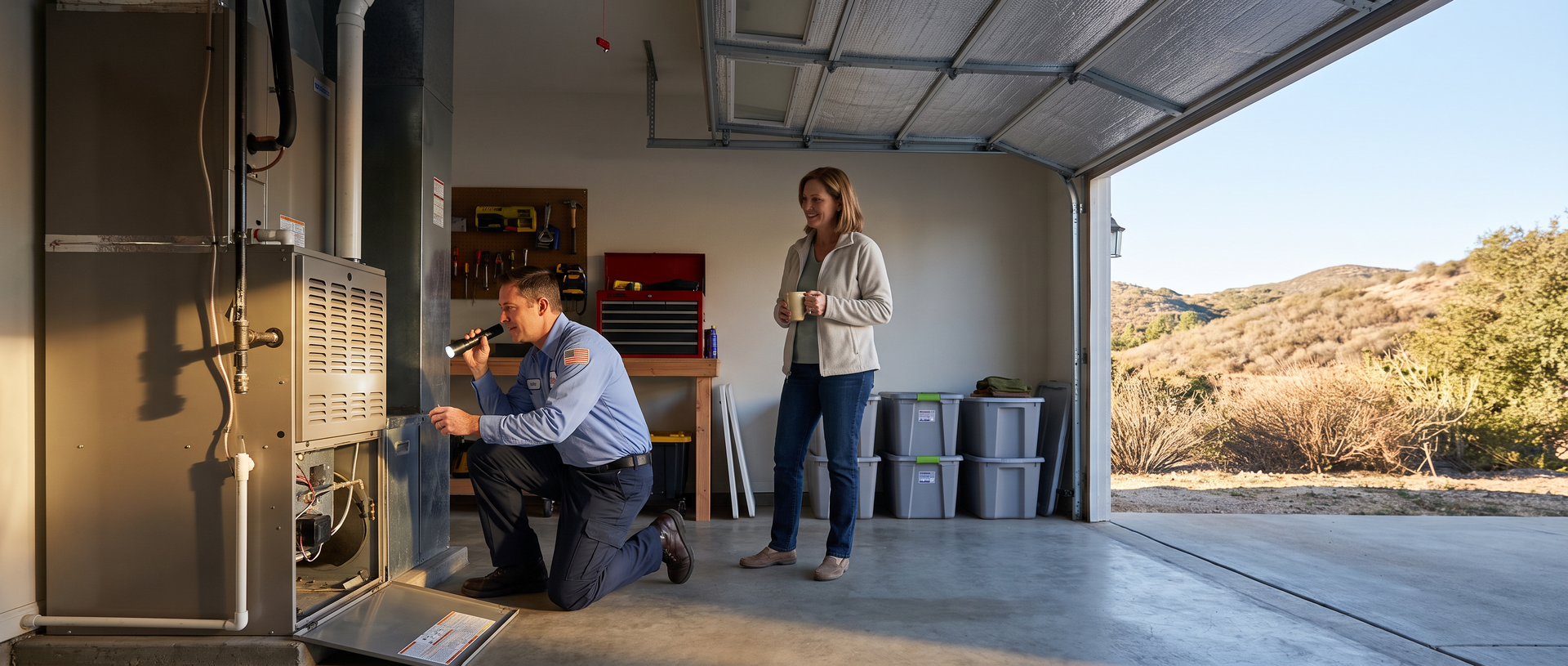

Indoor air quality in La Jolla changes once the closed-window season arrives. Cool evenings, damp marine mornings, and the occasional smoky Santa Ana day push most households to seal up and let the HVAC system do the breathing.
That raises fair questions. Is your filter doing enough? Is a higher rating always better? This guide walks through the filtration choices that matter, so you can decide with confidence instead of guesswork.
Which Closed-Window Household Are You?
Not every home closes up for the same reason. Your reason shapes which filtration questions deserve attention first.
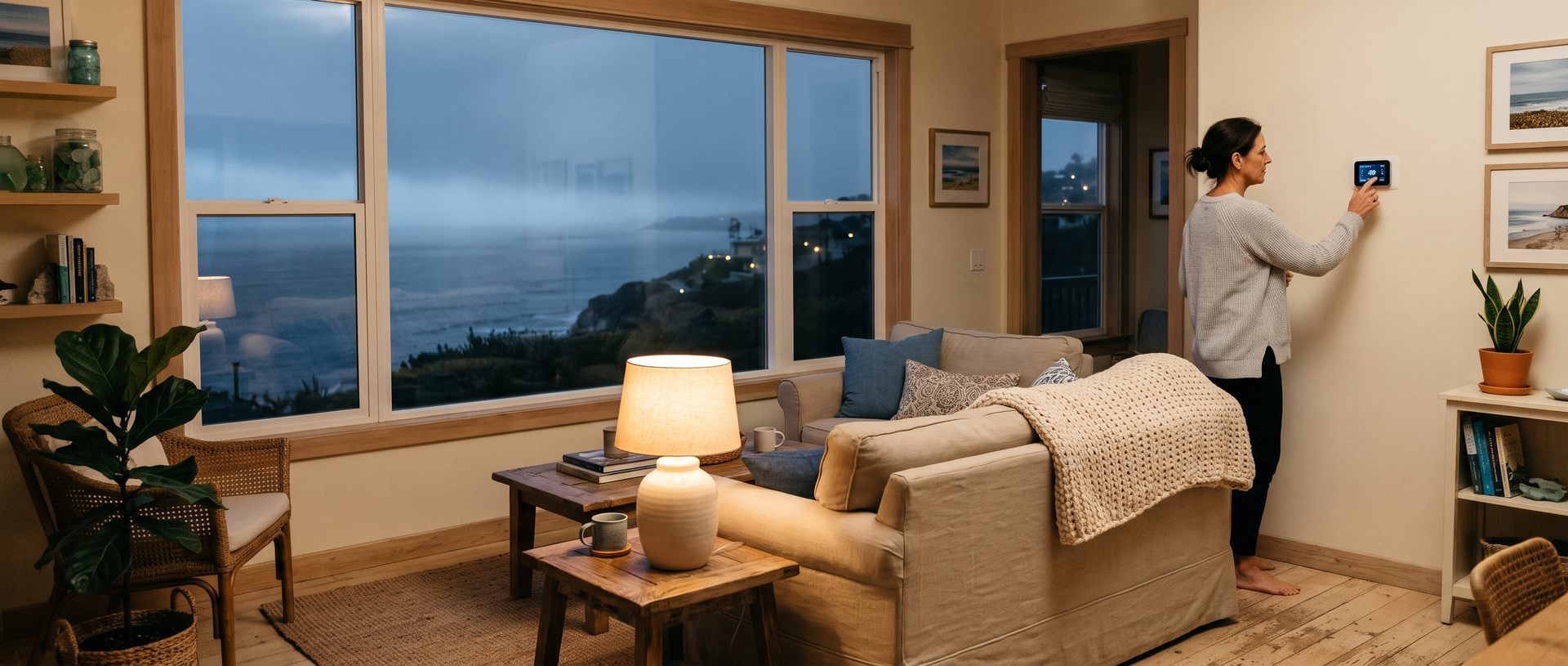
You might be someone who lives close to the water and shuts the windows against cool, damp marine air. Moisture, salt, and fine coastal grit are part of daily life.
You might be someone who watches the fall forecast for Santa Ana winds. When wildfire smoke drifts toward the coast, you want a plan ready instead of a scramble.
Or you might share your home with pets, young kids, or people who are sensitive to dust and pollen. For you, everyday particles matter more than rare events.
Homeowners from Chula Vista to Oceanside usually fit one of these, and sometimes two. That is why Sunline Heating & Air approaches heating, cooling, and indoor air quality services by matching the solution to the household, not the other way around.
Key takeaway: Knowing why your windows are closed tells you where to focus your filtration decisions first.
Matching Filtration to Indoor Air Quality in La Jolla Homes
Filtration options are easier to compare when you start with the goal. MERV ratings describe how well a filter captures particles of different sizes. Higher ratings catch finer particles, but they can also restrict airflow if your system was not designed for them.
| If This Sounds Like You | Consider This | Why It Fits |
|---|---|---|
| Close to the coast, windows shut against damp air | A well-fitted pleated filter, checked often | Limits dust and grit buildup in rooms and on equipment |
| Worried about wildfire smoke days | Higher-efficiency filtration reviewed for your system | Better fine-particle capture without starving airflow |
| Pets, kids, or dust-sensitive household | Whole-home air cleaner or upgraded filter cabinet | Steady filtration in every room the system serves |
| Older system or small return grille | An airflow check before any filter upgrade | Keeps a "better" filter from making the system strain |
The right answer depends on your equipment, return air size, ductwork, and how the space is used. If you want to know who will be looking at your system, you can learn more about our family-run team.
What Closed Windows Mean in Real Homes Near the Coast
Here's the thing: a closed house is not a still house. Your HVAC system pulls the same indoor air through the return and pushes it back out many times a day.
Your filter sees the same air over and over, so a clogged filter quietly becomes part of the problem. Cooking odors, shower humidity, pet hair, and dust linger longer when fresh air is not coming through open windows.
Picture a hillside home off Torrey Pines Road on a gray November morning. The windows stay shut, the heat runs a little, and by afternoon the air feels flat and stuffy. Often, nothing is broken. The system simply needs a filter matched to the season and airflow that can do its job.
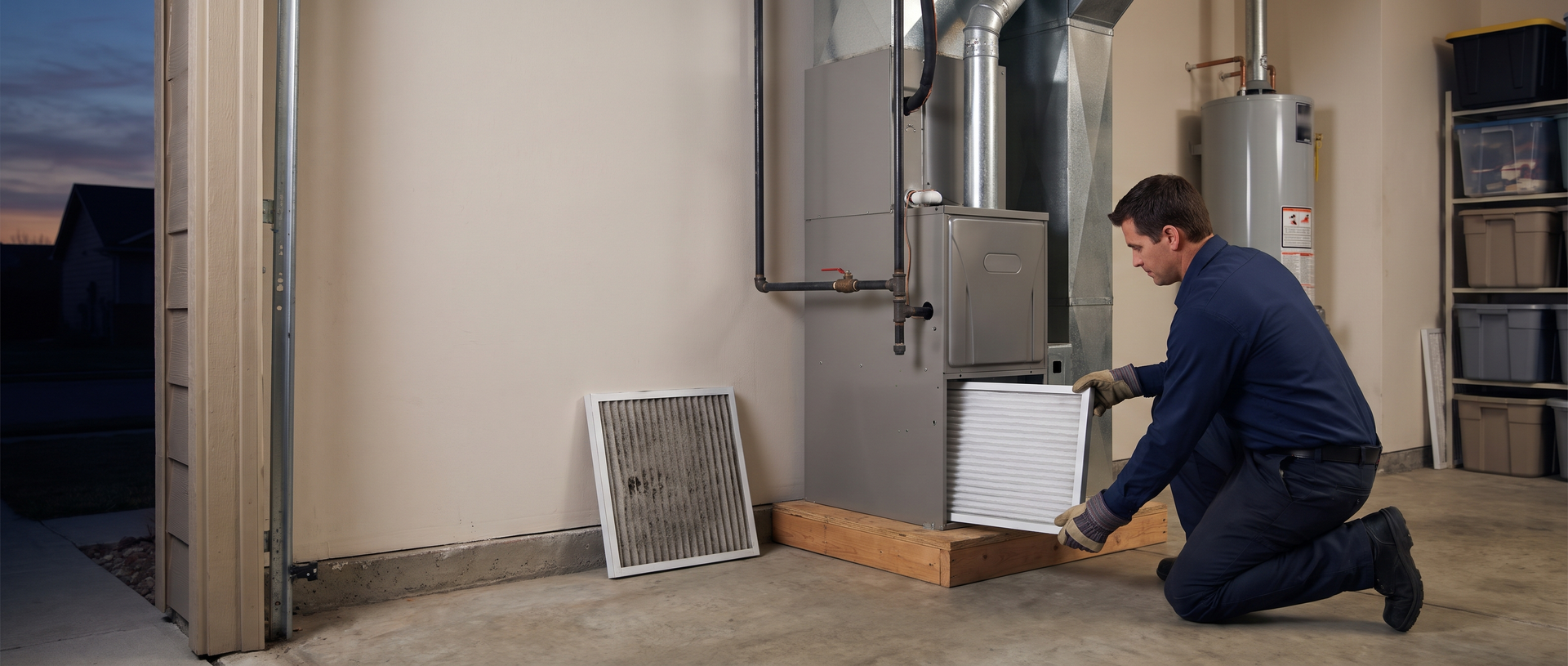
A filter upgrade isn't glamorous. But it is often the most practical first step, and it costs you nothing to ask whether your current setup fits.
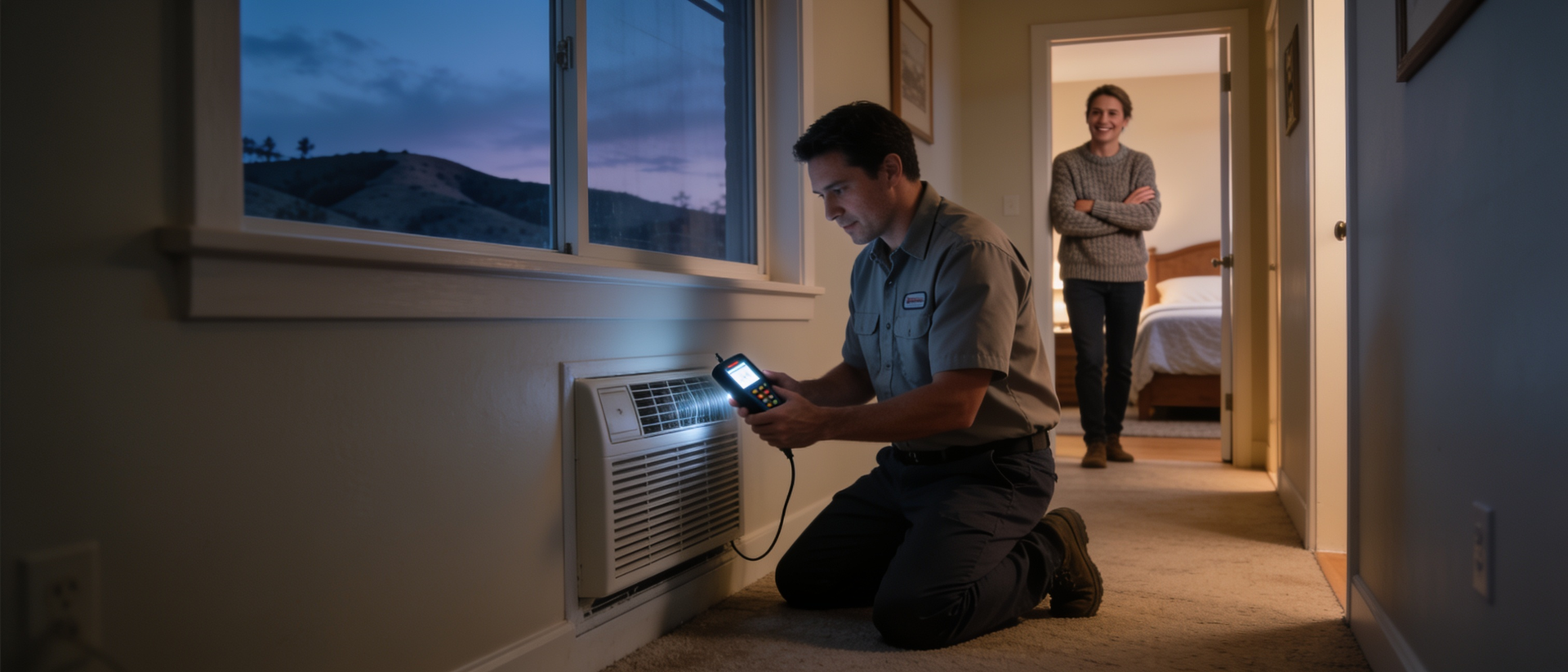
If your property uses ductless mini-splits, each indoor unit has its own filter. Those filters need regular cleaning, especially when the units run every day.
Key takeaway: For coastal homes and businesses, consistent filter care usually matters more than any single upgrade.
Living With Your Filtration Choice Over Time
Good indoor air is a habit, not a one-time purchase. It helps to picture what ownership actually looks like.
Month one: You install a filter suited to your system and notice less dust settling on surfaces. The first season: You check the filter regularly and replace it when it looks loaded, since closed homes can fill filters faster. Year three: Routine maintenance keeps the blower, coils, and ductwork clean, so filtration and comfort stay steady.
The real risks are easy to overlook. A filter that is too restrictive can reduce airflow. Gaps around the filter let air bypass it. Leaky ducts in attics or crawlspaces can pull in unfiltered air. A technician can check all three during a visit, so it makes sense to schedule a maintenance visit online before the closed-window months settle in.
A note on air cleaning equipment: Whole-home air cleaners, UV systems, and filter cabinet changes involve electrical work and changes to your HVAC system, so they should be installed by a qualified professional. California also has rules on ozone emissions from air cleaning devices, so confirm that any product you consider is approved for sale in the state. Product rules and any utility programs can change, so verify current details before you buy.
Common Questions About Indoor Air Quality in La Jolla
What is the best air filter for indoor air quality in La Jolla homes?
There isn't one best filter for every La Jolla home. The right choice balances particle capture with the airflow your system was designed for. A technician can check your equipment, return size, and ductwork, then recommend a filter that improves filtration without making the system strain.
How often should I change my HVAC filter when the windows stay closed?
Check it more often than you would during open-window months. Closed homes recirculate the same air, so filters can load up faster, especially near the coast or with pets. The right interval depends on the filter and household, so inspect it regularly and replace it when dirty.
Can my HVAC system help with indoor air quality on wildfire smoke days?
Yes, it can help when it is set up correctly. Running the fan with a well-fitted, higher-efficiency filter can capture more fine particles, if your system can handle that filter. Follow local air quality advisories, and have a professional confirm your setup before smoke season.
Do ductless mini-splits filter the air in La Jolla homes?
Ductless mini-splits do have filters, but they mainly protect the equipment and catch larger particles. Each indoor unit's filter needs regular cleaning. If air quality is a priority in your La Jolla home, ask about added filtration options that are compatible with your system.
Breathing Easier Through the Closed-Window Months
Better indoor air quality in La Jolla rarely comes from one big purchase. It comes from a filter matched to your system, airflow that stays healthy, and a simple plan for smoky days.
If your windows will stay shut for the season, then your HVAC system deserves a quick look now. You can start at the Sunline Heating & Air home page or send our team your filtration questions. Either way, you will get clear, straightforward answers and a practical path to air that feels fresh all season.
Ready for Cleaner Air at Home?
Talk with Sunline Heating & Air about filtration, air cleaning, and HVAC maintenance for homes and businesses across San Diego County.