It's one of the first chilly October nights in Park West. The family room downstairs feels fine, but the bonus room over the garage is cold enough that nobody wants to sit in it.
If that sounds familiar, you're not imagining it. Uneven temperatures are one of the most common comfort complaints we hear from Mount Pleasant homeowners once the seasons turn.
The good news is that hot and cold spots almost always have a mechanical cause. Find it before winter, and every room in your house starts telling the same story again.
Read Your Home's Weather Map: A Three-Stop Self-Check
Think of your house as having its own weather map. Every room should read about the same, but in many Park West homes, the forecast changes from one doorway to the next.
Take a slow walk through the house and stop at three places.
Stop 1: The bonus room or any room over the garage.
If this room runs colder than the rest of the house, the usual suspects are a long duct run from the air handler, thin insulation in the floor above the garage, or both.
Stop 2: Upstairs versus downstairs.
Warm air rises in winter. If your second floor feels comfortable while the first floor feels drafty, your system may still be balanced for summer cooling, which pushes more air upstairs.
Stop 3: The room farthest from the thermostat.
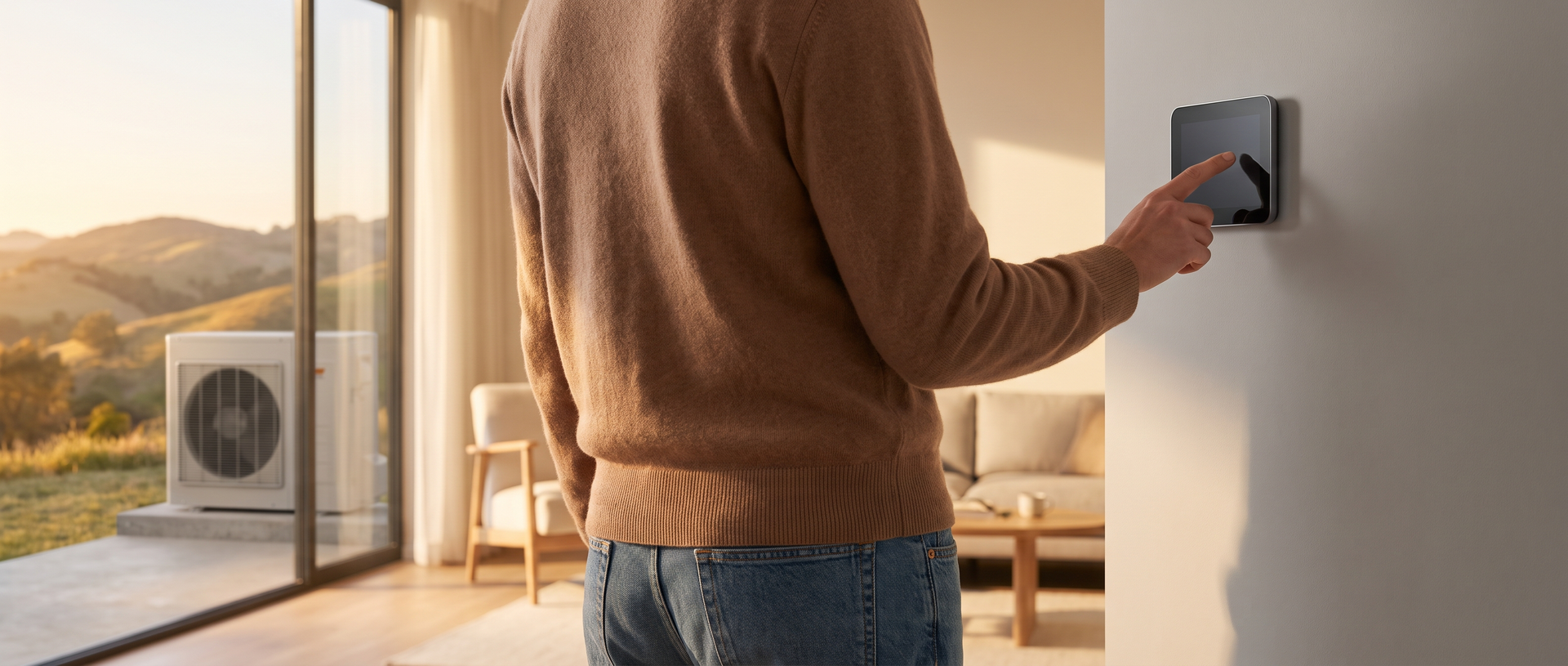
Your thermostat only knows the temperature where it hangs. A hallway thermostat can be perfectly satisfied while a corner bedroom sits several degrees off.
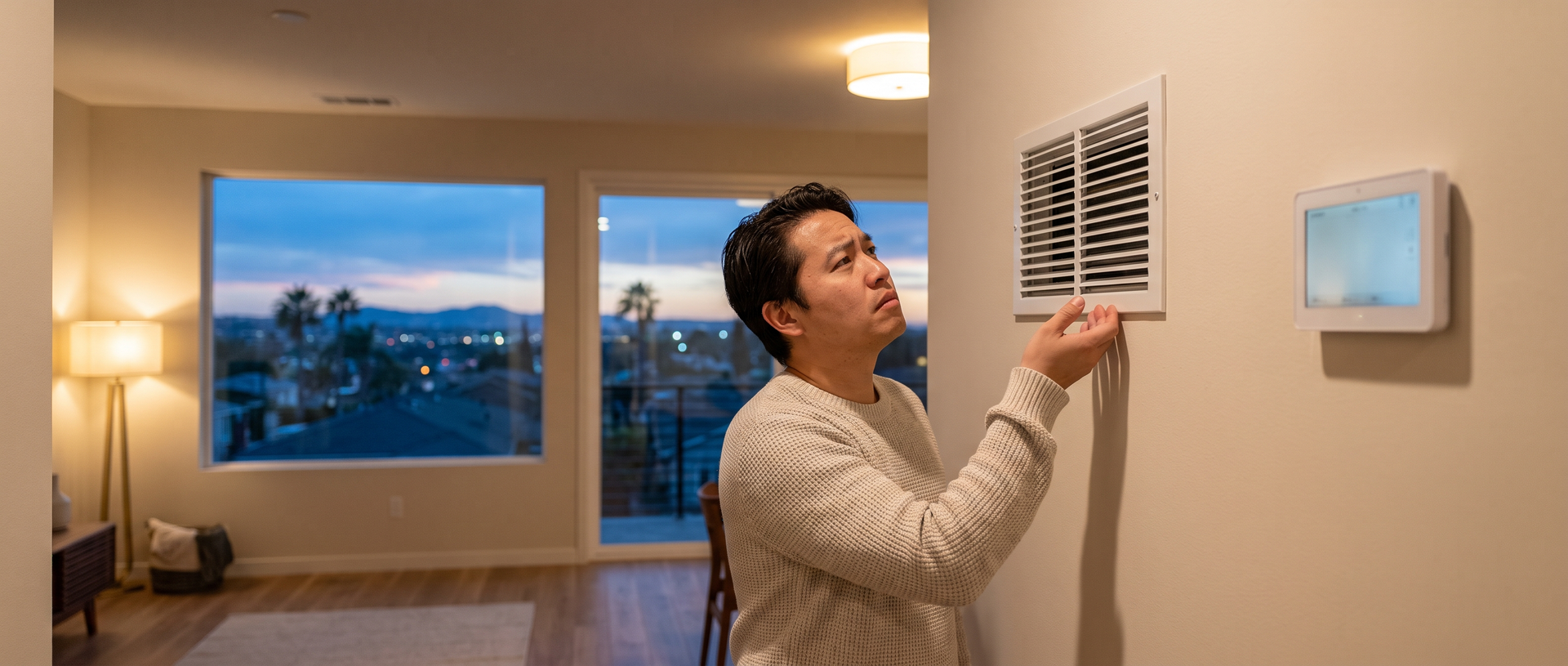
While you walk, hold your hand near a few registers. Weak airflow, whistling at the return grille, or rooms that only feel right with the door open are all clues worth noting.
This helps any family that has started closing doors or stacking extra blankets in one room just to even things out.
Hot and Cold Rooms: Matching the Symptom to the Fix
Here's how the most common uneven-temperature symptoms map to their usual causes and the right next step.
| Issue |
Common Cause |
Recommended Action |
| Bonus room over the garage runs cold |
Long or leaky duct run; under-insulated floor above the garage |
Duct inspection and airflow measurement to that room |
| Downstairs cold, upstairs warm in winter |
Balancing dampers still set for summer cooling |
Seasonal damper rebalancing |
| Weak airflow from several registers |
Crushed, sagging, or disconnected flex duct in the attic |
Attic duct inspection, repair, and sealing |
| Rooms feel off whenever the door is closed |
Too little return air path, raising static pressure |
Return air evaluation; transfer grilles or jumper ducts |
| Whole house slow to warm on cold mornings |
Dirty filter, low refrigerant charge, or a struggling heat pump |
Heating tune-up and refrigerant check |
| One room never matches the thermostat |
Thermostat placement or one system serving two floors |
Thermostat relocation or zoning evaluation |
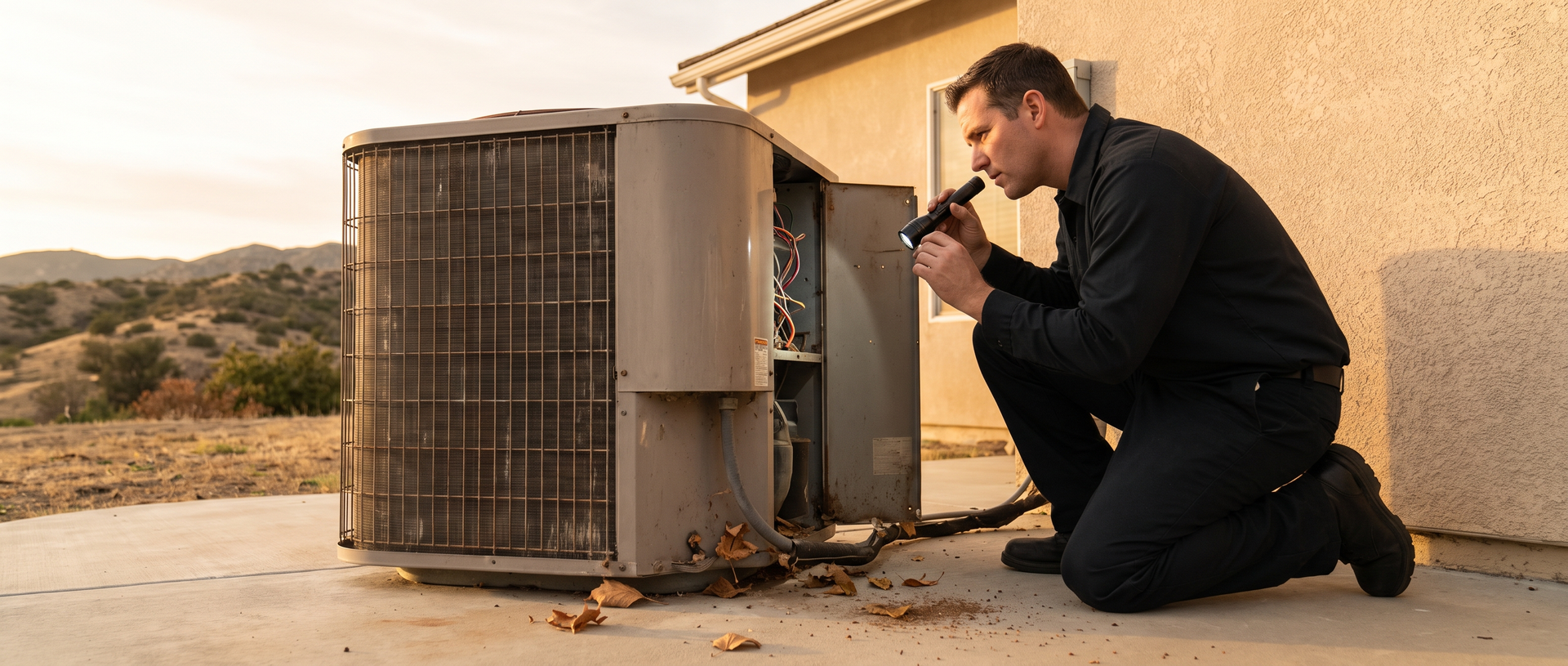
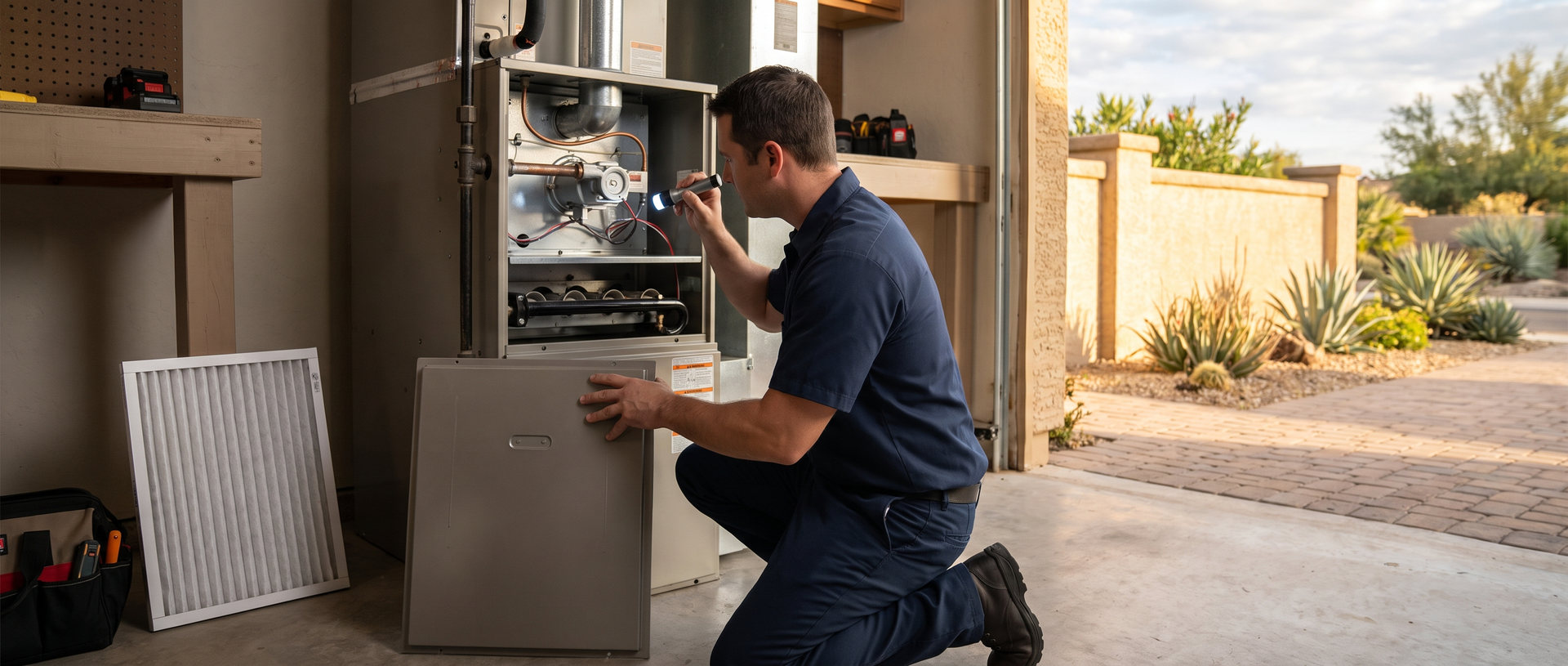
Most of these can be diagnosed on a single visit. Our heating service technicians
measure airflow room by room, so you get an answer based on numbers rather than guesswork.
This matters for homeowners who've already tried the easy fixes and still have that one room nobody wants to use.
Uneven Home Temperatures in Park West: Why Local Homes Are Prone to It
In our experience with Park West homes, the layout itself sets the stage. Much of the community off Highway 41 was built out through the 2000s and 2010s, with two-story floor plans, bonus rooms over garages, and ductwork running through vented attics.
Lowcountry attics bake through long, humid summers. Over years of heat cycles, flex duct sags, joints loosen, and the tape on connections gives up, quietly leaking conditioned air before it ever reaches the far rooms.
Then there's the winter pattern itself. Mount Pleasant can swing from a 70-degree afternoon to a near-freezing night, and those fast swings expose airflow weaknesses quickly.
Most Park West homes rely on heat pumps, which handle our mild winters well when air is moving properly. When a room can't get enough airflow, the system runs longer and may lean on its backup heat strips, which is often the first sign something is out of balance.
The damp coastal air plays a role too. A cold room with lingering moisture simply feels colder than the thermostat suggests.
This benefits anyone dealing with uneven heating in a two-story Park West home, especially one with its original duct layout.
Repair, Rebalance, or Replace? Finding Your Tipping Point
Truth is, most uneven-temperature problems don't require new equipment. Rebalancing dampers, sealing attic ducts, and improving return air solve a large share of the hot and cold rooms we see.
Homeowners weighing another patch against a replacement often realize the duct layout, not the unit, was the real problem all along. Fixing the airflow first protects whatever decision comes next.
The tipping point usually looks different. Your system is 12 to 15 years old or more, repairs are becoming a seasonal habit, or it still uses R-22 refrigerant, which is common in systems installed before 2010.
If you plan to stay in your home for years, replacement can address imbalance at the source. A variable-speed heat pump with strong SEER2 and HSPF2 ratings, or a zoned system for each floor, delivers steadier comfort than a single-stage unit trying to serve two levels.
If you're likely to sell soon, targeted duct and airflow repairs are often the more sensible path. Either way, a HERO Maintenance Plan
keeps filters, dampers, and refrigerant charge checked twice a year so small imbalances don't grow into bigger decisions.
This helps families who are tired of the mental load of managing a temperamental system and want a clear, honest answer instead.
Common Questions About Uneven Temperatures in Park West
Is fixing uneven temperatures worth it, or should I just run a space heater in the cold room?
A space heater treats the symptom in one room while the cause stays in place. Correcting the airflow problem is usually the better long-term value, because the same fix often helps the whole system run more efficiently all winter.
Why is my upstairs warm but my downstairs cold in winter?
Warm air naturally rises, and many two-story systems are balanced for summer cooling, which sends extra air upstairs. In winter, that setting overheats the second floor and starves the first. A seasonal damper rebalance often corrects it.
When should Park West homeowners schedule service to fix hot and cold spots before winter?
October and early November are ideal. The attic is comfortable to work in, scheduling is calmer than after the first freeze, and any duct or damper work is finished before holiday guests arrive.
Should I close vents in unused rooms of my Park West home to save energy?
Generally, no. Closing supply registers raises static pressure, which can reduce airflow, strain the blower, and make other rooms more uneven. If you have questions about your specific layout, reach out to our team
before adjusting anything.
A Home That Feels the Same in Every Room
Picture this winter a little differently. The bonus room becomes the place the kids actually want to play, holiday guests spread out without anyone reaching for a sweater, and the thermostat stops being a family debate.
That's what balanced airflow gives back: a home where comfort is invisible and every room feels like part of the same sanctuary. The HERO Heating and Air team
would be glad to help you get there before the cold settles in.