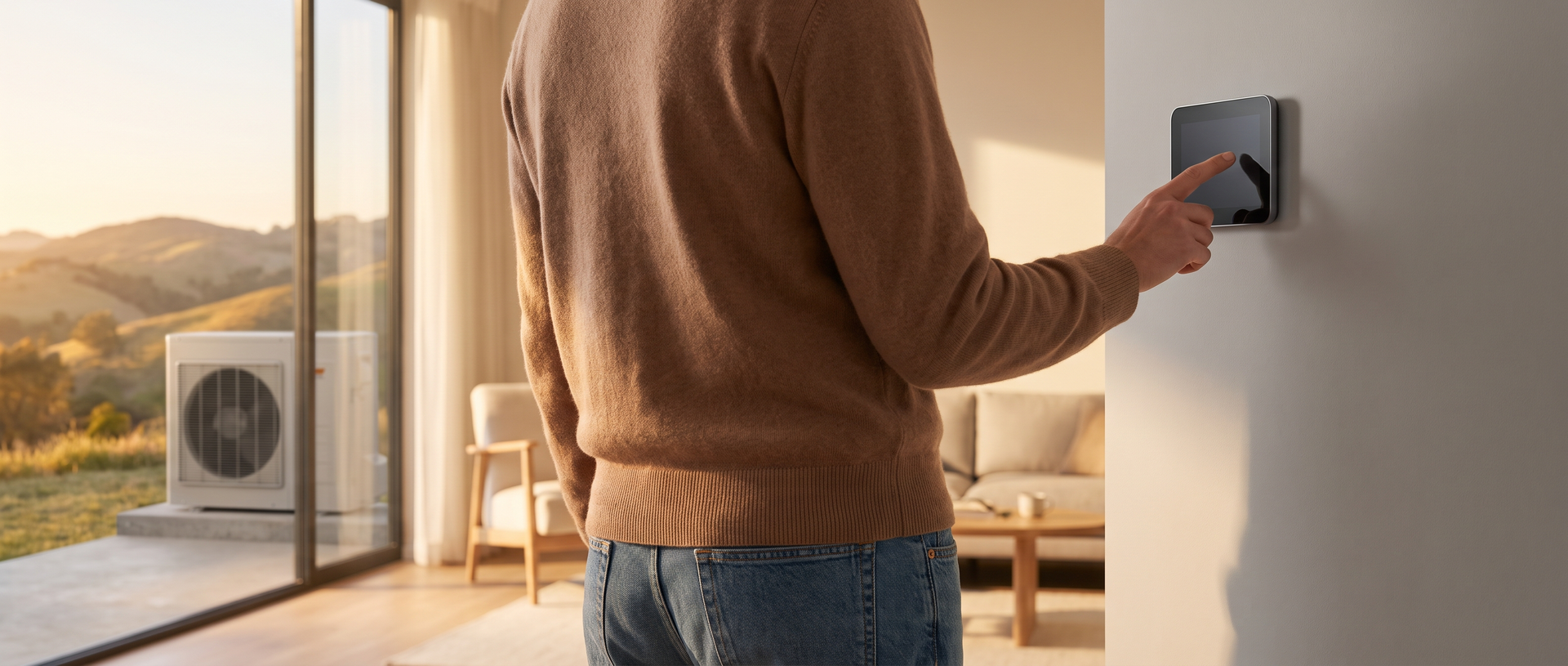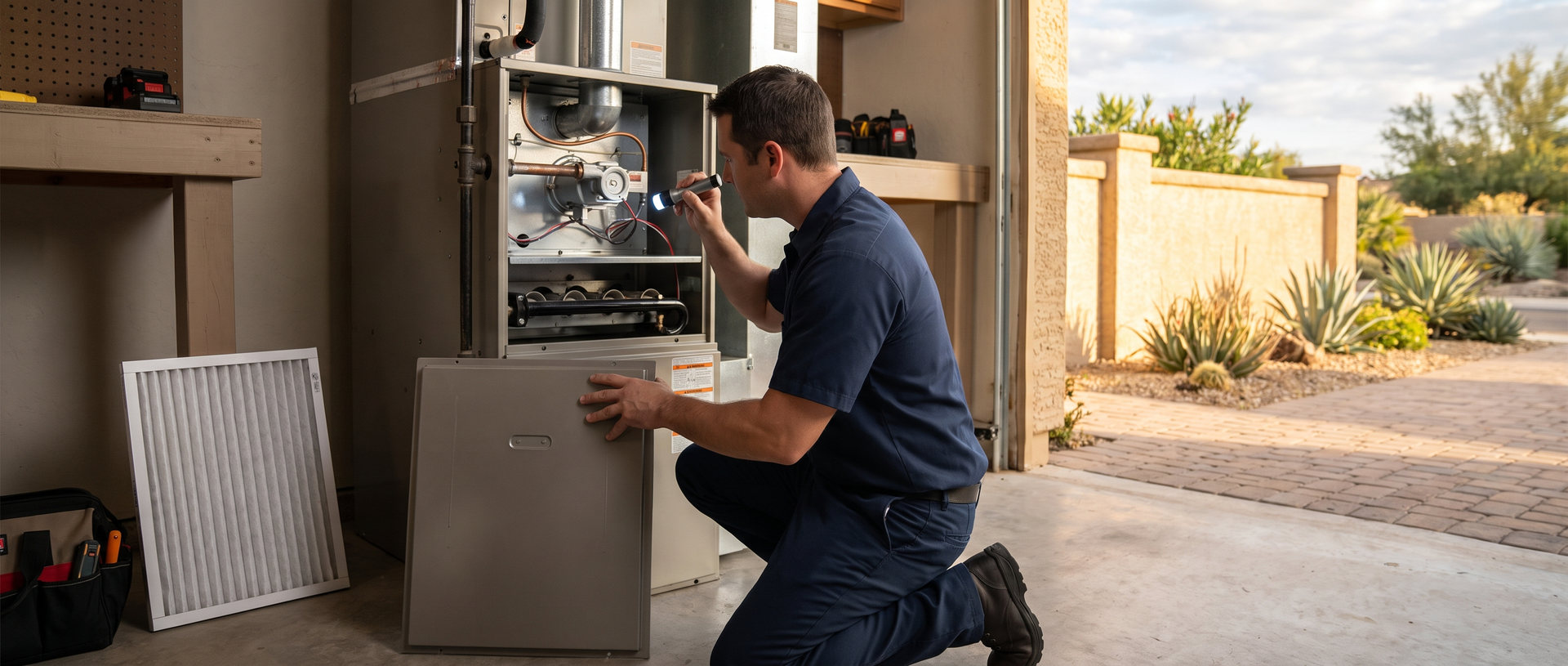

If you're searching for heating repair in Poway, it probably started the way it does for most homeowners. The first cool evening arrived, you switched the thermostat to Heat, and something felt off.
Maybe the air never warmed up. Maybe a smell hung around longer than it should have. Either way, catching it now is far better than discovering it on the coldest night of the year. This guide helps you read what you noticed, check the simple things safely, and know when to call a professional.
Think of the First Test as a Dress Rehearsal
Your first heating run of the season is a rehearsal. Opening night is the first real cold snap, and inland evenings tend to cool off faster than coastal neighborhoods do. A rehearsal that goes sideways isn't a failure. It's information.
Most homeowners fall into one of three situations after that first test:
- The lingering smell household. You might be someone who noticed a dusty odor when the heat kicked on. A brief smell is common after months of sitting idle. One that lingers, or smells electrical, is a different story.
- The lukewarm air household. The blower runs, but the air from the vents feels cool or only slightly warm. Plenty of homeowners from Poway to Escondido run into this on that first chilly night.
- The silent or stop-and-start household. Nothing happens at all, or the system starts, shuts off, and starts again in short bursts.
Each situation points toward a different next step, and none of them requires you to guess. Our heating and furnace services cover all three.
This matters for homeowners who want a clear plan instead of a nagging worry every time the heat turns on.
Safety first: If you smell gas, leave the home right away, avoid flipping switches, and call SDG&E or 911 from outside. If you notice a burning electrical odor or visible smoke, turn the system off at the thermostat and contact a qualified HVAC professional before using it again.
Matching What You Noticed to a Smart Next Step
Before you call anyone, a few quick checks can rule out the simplest causes. These are safe for most homeowners and don't involve opening the equipment.
- Confirm the thermostat is set to Heat and set a few degrees above the current room temperature.
- Replace the thermostat batteries if the display is blank or dim.
- Check the air filter and replace it if it looks gray or clogged.
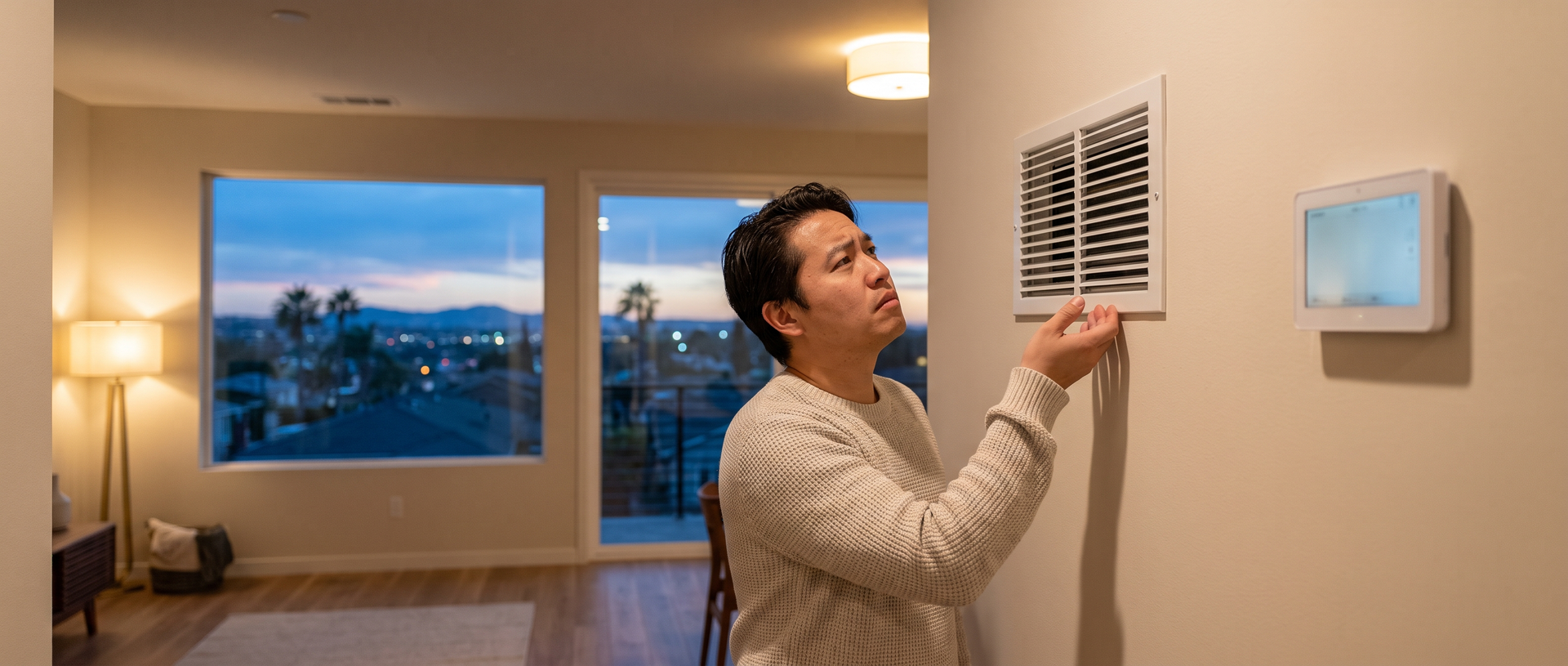
- Make sure supply vents and return grilles aren't blocked by furniture, rugs, or stored boxes.
- Check the breaker once. If it trips again, leave it off and call for service.
If the problem is still there, use this table to decide what comes next.
| If Your First Test Shows | Start Here | Why It Fits |
|---|---|---|
| A dusty smell that fades quickly | Replace the filter and keep watching | Ruling out the simplest cause keeps your next step clear |
| Cool or lukewarm air from the vents | Confirm settings, then schedule an inspection | Several causes overlap, so a professional check avoids guesswork |
| No response at all | Check thermostat power and the breaker once, then call | Repeated resets can mask an electrical or safety issue |
| Clicking, banging, or short on-off cycles | Turn the system off and book service | Unusual sounds and cycling deserve trained eyes on the equipment |
None of these checks replaces a professional inspection. They simply help you describe what's happening so the visit starts on the right foot. You can learn more about our local, family-run team and how we approach every service call.
Why Heating Repair in Poway Looks a Little Different
Here's the thing about heating systems in inland North County: they spend most of the year doing nothing. Long, warm, dry stretches mean your furnace or heat pump may not have run in heat mode since spring.
A system that sat idle for months isn't broken by default, but that downtime gives small issues room to grow. Dust from dry hillsides and Santa Ana wind events settles into equipment and ductwork. Wildfire smoke seasons can load filters faster than expected, which affects both airflow and indoor air quality.
Home type plays a role, too. Older homes may still rely on original furnaces and attic ductwork, while newer properties often use heat pumps that both cool and heat. With a heat pump, a cooling season that went fine doesn't confirm heat mode will behave the same way.
It's not the most exciting part of owning a home. But a problem caught in early fall is usually far easier to plan around than one discovered on a cold weeknight. This helps households who want predictable comfort when the temperature finally drops.
Repair, Replace, or Just Maintain? What the Next Few Years Look Like
A rough first test doesn't automatically mean you need a new system. The right answer depends on the equipment's age, overall condition, repair history, and what you want from your comfort going forward.
A thorough inspection should look at the full picture, including:
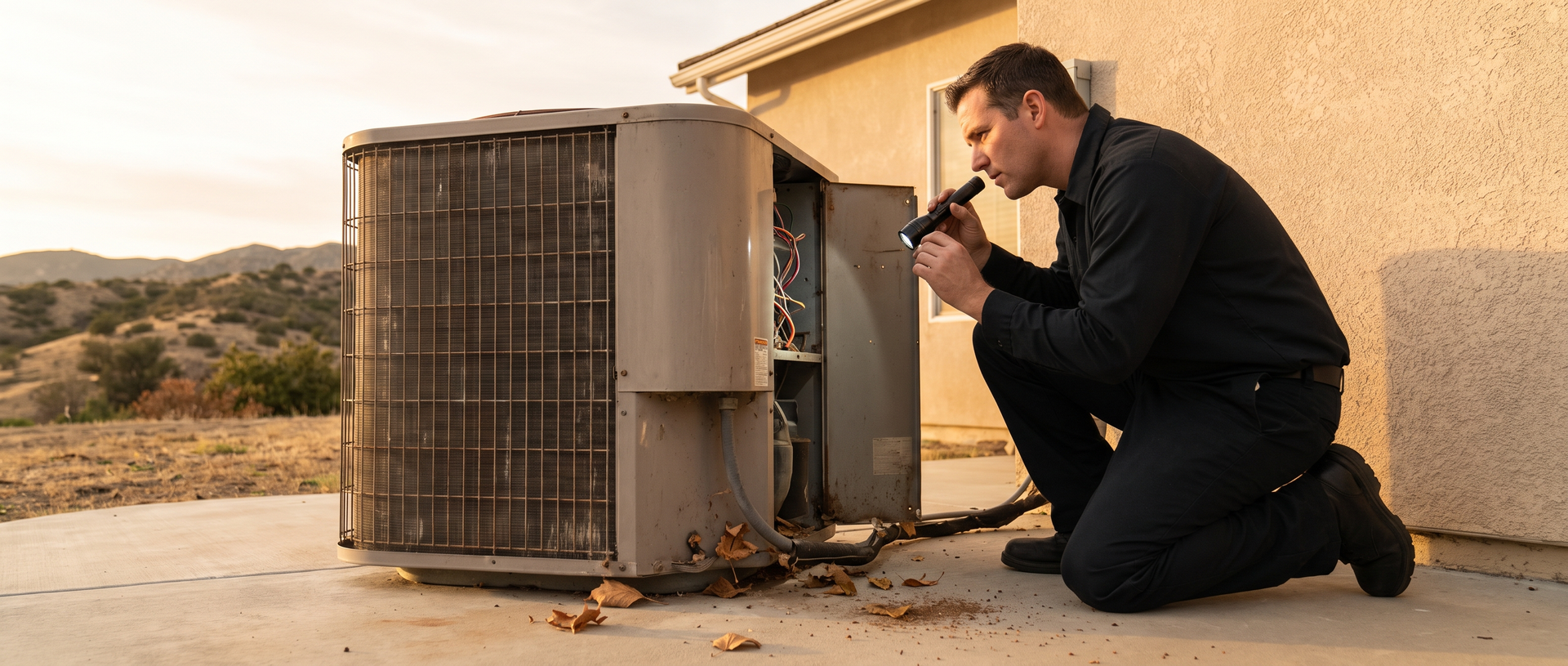
- Ignition, burners, or heat pump components, depending on your system type
- Airflow, ductwork condition, and filter fit
- Thermostat compatibility and settings
- Electrical connections and safety controls
- Signs of wear that could affect reliability later
Picture it on a timeline. This week, you get a clear explanation of what was found. This winter, you use your heat without second-guessing it. A few years from now, routine maintenance keeps surprises to a minimum, and any replacement conversation happens on your schedule rather than during a breakdown.
If replacement does come up, ask about equipment compatibility with your ductwork and thermostat. Efficiency standards, refrigerant rules, permits, and utility or rebate programs change over time, so eligibility and details should always be verified before you decide. You can explore Sunline Heating & Air's heating and cooling options to get a sense of what fits your home.
Key takeaway: One failed test is a signal, not a verdict. A careful inspection and straightforward explanation give you what you need to choose between repair, maintenance, or replacement with confidence.
Common Questions About Your First Heating Test
Is it normal for my heater to smell like burning dust the first time I turn it on?
Yes, a brief dusty smell is common when a heater runs for the first time after sitting idle for months. It usually fades quickly. If the odor lingers or smells electrical, turn the system off and call a professional. If you smell gas, leave and call SDG&E or 911.
Why is my heater blowing cold air after I switched it to heat?
Cool air during the first test can come from several sources, including thermostat settings, airflow restrictions, ignition problems, or heat pump issues. Start by confirming the thermostat is set to Heat and the filter is clean. If the air stays cool, schedule an inspection rather than guessing.
When should I schedule heating repair in Poway instead of waiting?
Schedule heating repair as soon as your first test reveals a problem that doesn't clear up after basic checks. Inland Poway nights can turn chilly once fall settles in, and addressing an issue before regular use makes the next cold evening far less stressful.
Should I repair or replace an older furnace that failed its first test?
It depends on the system's age, overall condition, repair history, and your comfort goals. A single failed test doesn't automatically mean replacement. A qualified technician can inspect the equipment, explain what they found, and walk you through repair and replacement options so you can decide confidently.
Turning a Shaky First Test Into a Comfortable Winter
A rough first test is an early warning, and early is exactly when heating repair in Poway is easiest to plan around. If the issue fades after a filter change, keep an eye on it. If it doesn't, let a professional take a look before the cold settles in.
When you're ready, you can book a heating inspection online or reach out to our team with questions. Either way, you'll head into the season knowing your home is ready for whatever the evenings bring.
Let's Get Your Heat Ready for the Season
Talk with Sunline Heating & Air about dependable heating repair, maintenance, and comfort solutions for your home in San Diego County.